Introduction
With the rapid development of electric vehicles (EVs), energy storage systems, AI servers, and high-performance computing equipment, liquid cooling technology has become increasingly important for modern thermal management. As a key component of liquid cooling systems, liquid cooling plates directly affect heat dissipation efficiency, system stability, and product reliability. Therefore, liquid cooling plate welding quality has become a critical factor in ensuring the sealing performance, durability, and long-term operation of liquid cooling systems.
However, the performance of a liquid cooling plate does not only depend on its design and materials. The liquid cooling plate welding quality plays a critical role in ensuring sealing performance, structural strength, and long-term operation reliability.
Poor welding quality may lead to coolant leakage, cooling system failure, increased production costs, and even serious customer complaints. Therefore, manufacturers need to pay close attention to welding processes and choose reliable welding solutions to ensure consistent product quality.
Why Is Welding Quality Critical for Liquid Cooling Plates?
Liquid cooling plates usually contain internal channels where coolant flows to transfer heat away from high-power components. During operation, these structures must withstand continuous pressure and temperature changes.
The liquid cooling plate welding quality directly determines whether the cooling system can operate safely and efficiently.
A high-quality welding process should provide:
Excellent sealing performance
Stable mechanical strength
Minimal welding deformation
Consistent weld appearance
Long-term reliability
If welding defects exist, even small imperfections can gradually develop into major failures during long-term operation.
What Problems Can Poor Liquid Cooling Plate Welding Quality Cause?
1. Coolant Leakage
Coolant leakage is one of the most serious problems caused by poor welding quality.
Liquid cooling plates require highly reliable sealing because the coolant must remain inside the channels during continuous operation. Weak weld seams, incomplete penetration, or welding defects can create leakage paths.
Potential consequences include:
Reduced cooling efficiency
Damage to surrounding components
Increased maintenance costs
Safety risks in applications such as EV batteries and data centers
For manufacturers, preventing leakage is one of the most important goals of improving the liquid cooling plate welding quality.
2. Cooling System Failure
The main purpose of a liquid cooling plate is to maintain stable temperature control. When welding quality is poor, the internal cooling channels may not work properly.
Possible issues include:
Unstable coolant circulation
Reduced heat transfer efficiency
Uneven temperature distribution
Overheating of critical components
In high-performance applications such as AI servers and electric vehicles, insufficient cooling performance can directly affect system reliability and service life.
3. Higher Rework and Production Costs
Poor welding quality can significantly increase manufacturing costs.
When defective liquid cooling plates are detected, manufacturers may need to spend additional resources on:
Repair welding
Quality inspection
Reproduction
Labor costs
Delivery delays
A high defect rate not only reduces production efficiency but also affects overall profitability.
By improving the welding process and using advanced equipment, manufacturers can reduce rework rates and achieve more stable mass production.
4. Product Recalls and Customer Complaints
For industries such as EVs, energy storage, and data centers, product reliability is extremely important.
A welding failure in a liquid cooling plate may result in:
Customer complaints
Warranty issues
Product recalls
Brand reputation damage
Therefore, manufacturers must ensure every liquid cooling plate meets strict quality requirements before delivery.
Common Reasons Behind Poor Liquid Cooling Plate Welding Quality
1. Incorrect Welding Parameters
Welding parameters have a direct impact on weld strength and consistency.
Incorrect settings, such as:
Laser power
Welding speed
Focus position
Protective gas flow
may cause problems including incomplete penetration, excessive heat input, or unstable weld seams.
Optimizing welding parameters is essential for achieving reliable results.
2. Excessive Heat Input
Traditional welding processes may generate excessive heat, causing deformation or damage to thin materials.
Liquid cooling plates often require precise welding because their structures usually involve:
Thin metal sheets
Complex channels
Strict dimensional requirements
A welding process with better heat control can minimize deformation and maintain product accuracy.
3. Unstable Welding Processes
For mass production, welding consistency is extremely important.
Unstable processes may lead to:
Different weld quality between products
Uneven weld seams
Higher rejection rates
Manufacturers need reliable automation and precise control systems to maintain consistent production quality.
How Laser Welding Improves Liquid Cooling Plate Reliability
Laser welding has become an effective solution for improving liquid cooling plate manufacturing due to its precision, efficiency, and stability.
1. Precise Heat Control
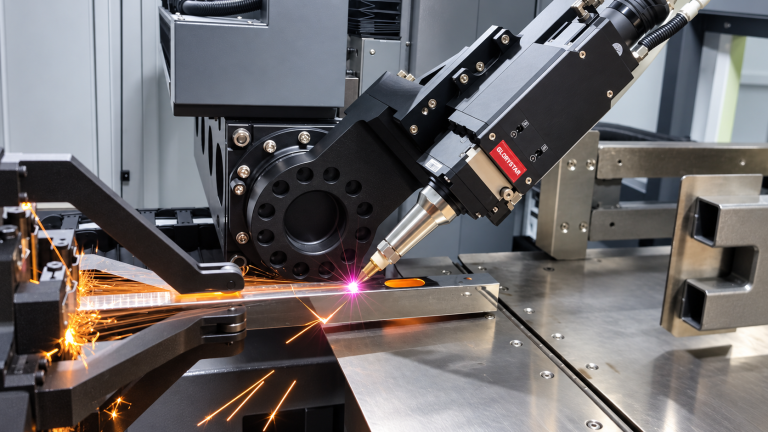
A liquid cooling plate laser welding machine provides concentrated energy input, creating a smaller heat-affected zone compared with traditional welding methods.
Benefits include:
Reduced deformation
Better dimensional accuracy
Improved product consistencyThis is especially important for thin plate structures and complex cooling channels.
2. Strong and Consistent Weld Seams
Laser welding provides excellent penetration control and stable weld quality.
Advantages include:
Strong sealing performance
Smooth weld appearance
High repeatability
Reliable long-term operation
These features help manufacturers produce liquid cooling plates with higher reliability.
3. Better Automation for Mass Production
As demand for liquid cooling systems continues to grow, manufacturers need efficient production solutions.
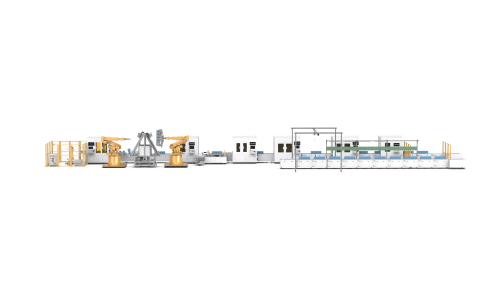
A modern liquid cooling plate laser welding machine can integrate:
Automatic positioning
Precision fixtures
Intelligent welding control
Quality monitoring systems
This helps improve production efficiency while reducing human errors.
Choose a Reliable Liquid Cooling Plate Laser Welding Solution
The welding quality of liquid cooling plates directly affects the performance and reliability of the entire cooling system. Poor welding may result in leakage, cooling failure, higher costs, and customer dissatisfaction.
By adopting advanced laser welding technology, manufacturers can achieve:
Stable welding quality
Lower defect rates
Higher production efficiency
Better product reliability
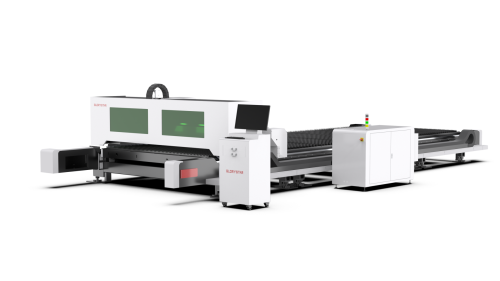
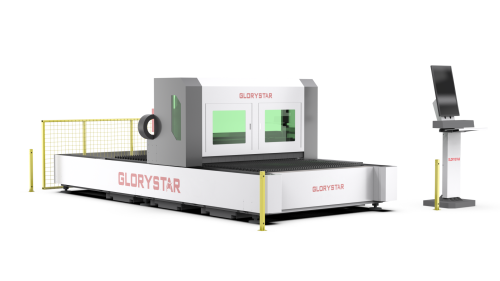
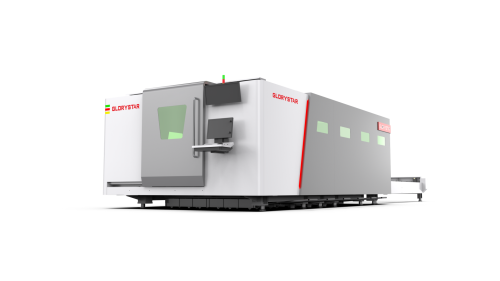
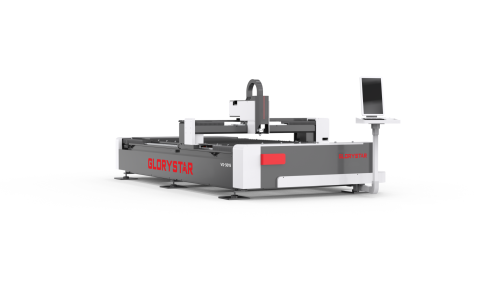
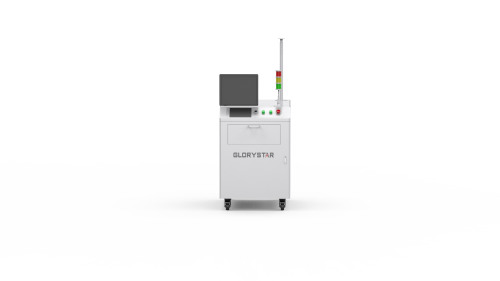
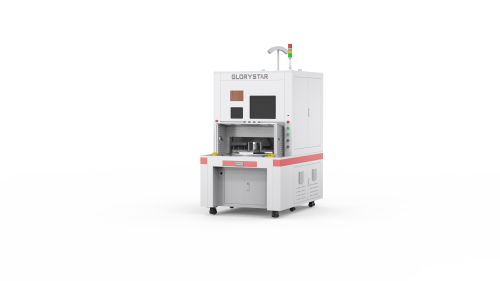
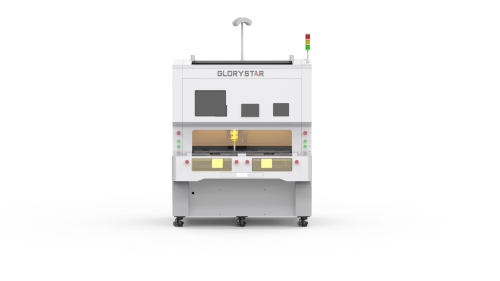
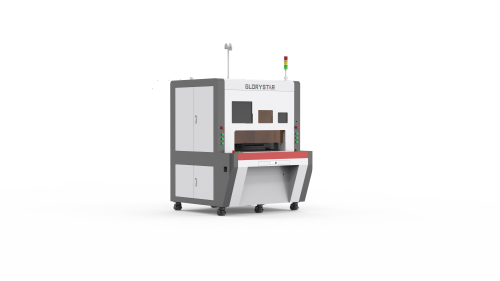
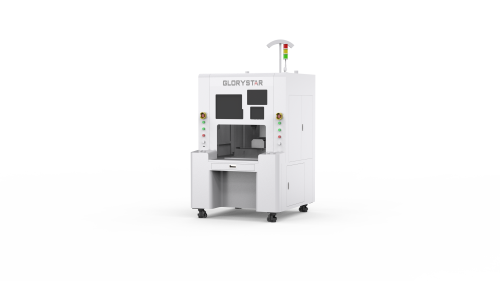
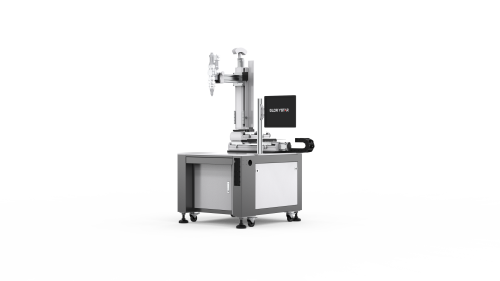
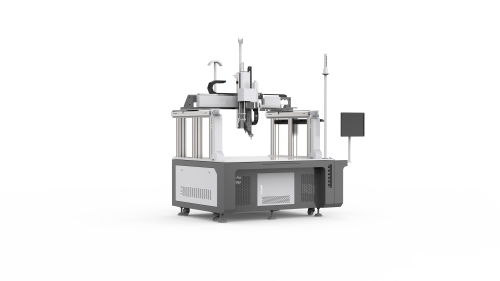
Glory Laser provides professional liquid cooling plate laser welding machine solutions designed for applications including EV battery cooling systems, energy storage systems, and advanced thermal management equipment.
With precise welding technology and reliable production solutions, manufacturers can build more efficient and durable liquid cooling components for the future.