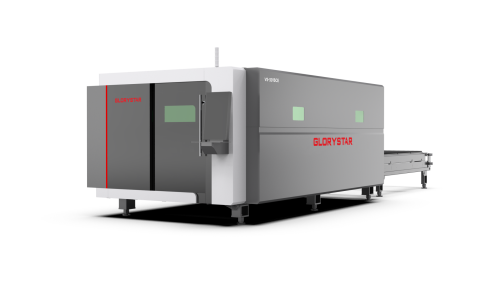
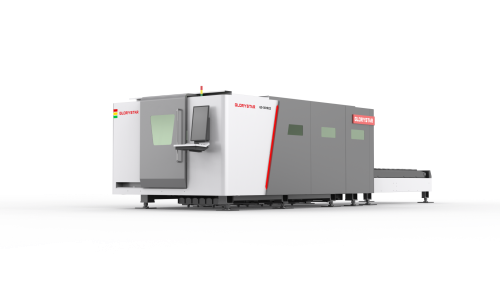
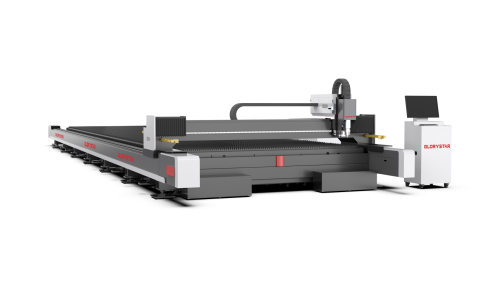
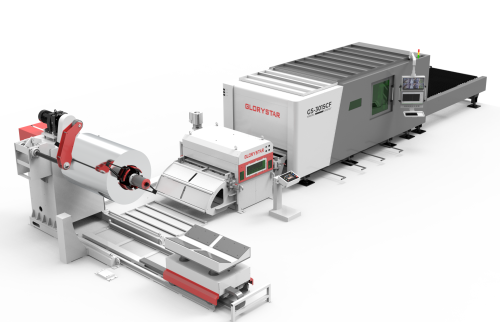
When manufacturers invest in a metal processing system, most attention usually goes to laser power, cutting speed, automation features, or equipment price. However, laser cutting machine size is another critical factor that can directly influence productivity, material utilization, operating costs, and long-term business growth.
Choosing a machine that is too small can limit production capabilities and increase labor requirements. On the other hand, selecting a system that is larger than necessary may create unnecessary costs and waste valuable workshop space. The right choice should support both current production needs and future expansion plans.
For manufacturers working with sheet metal, tube processing, or customized fabrication projects, understanding how machine dimensions affect performance can help avoid costly mistakes.
Why Machine Size Matters
The importance of laser cutting machine size goes beyond the physical dimensions of the equipment itself. It affects multiple aspects of manufacturing operations.
First, machine dimensions determine the maximum material format that can be processed directly. If your material exceeds the cutting area, additional preparation work may be required before production begins.
Second, the selected size influences material utilization. A properly matched cutting area can reduce scrap and improve nesting efficiency. Better material utilization means lower waste and lower production costs over time.
Third, larger systems require more workshop space. Factories with limited floor space need to carefully balance production capacity with practical installation requirements.
Finally, machine dimensions can affect future business opportunities. Some companies initially purchase smaller systems to reduce investment costs, only to discover later that their production requirements quickly exceed equipment limitations.
Selecting correctly from the beginning can provide greater flexibility and better return on investment.
Common Laser Cutting Machine Sizes
There are several standard machine dimensions used across the industry. Understanding these options helps manufacturers identify which configuration best matches production demands.
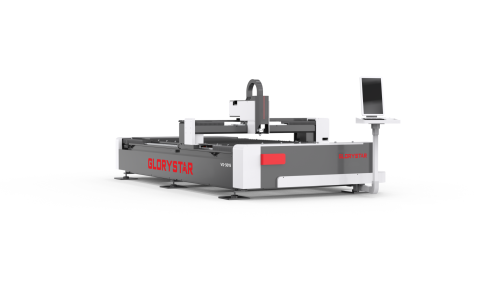
3015 (3000 mm×1500 mm)
The 3015 format is one of the most common choices in metal fabrication.
This size is widely used because it matches standard sheet dimensions and provides a good balance between capacity and investment cost.
Typical applications include:
Sheet metal processing
Kitchen equipment manufacturing
Electrical cabinet production
General fabrication work
Small and medium factories
For many businesses entering laser processing, the 3015 configuration serves as an ideal starting point.
4020 (4000 mm×2000 mm)
Manufacturers processing larger sheets often choose the 4020 format.
Advantages include:
Reduced material repositioning
Better productivity for larger parts
Improved nesting opportunities
Industries commonly using this configuration include:
Agricultural machinery
Construction equipment
Structural components
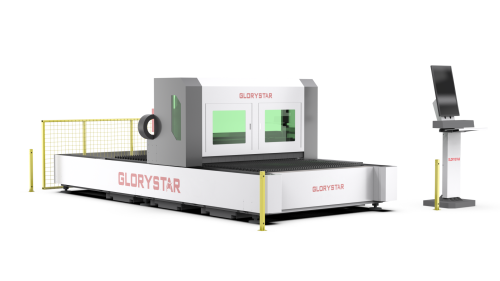
6025 (6000 mm×2500 mm)
Large-format systems are designed for heavy industrial applications.
Benefits include:
Processing oversized materials
Supporting thicker metal plates
Reducing secondary handling
This option is commonly found in:
Heavy equipment manufacturing
Steel fabrication
Industrial machinery production
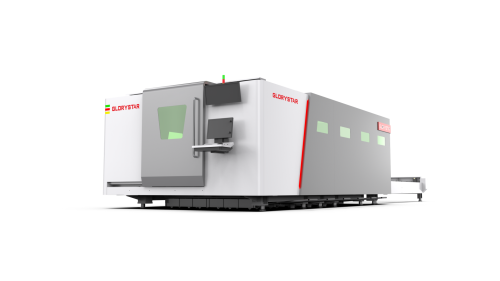
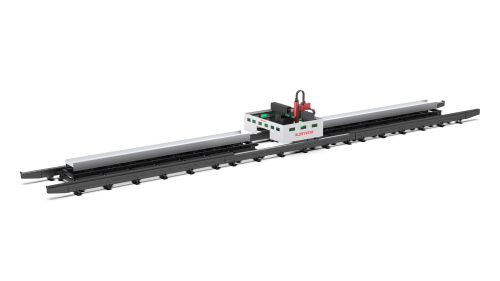
Extra-large systems
Some manufacturers process exceptionally large workpieces requiring custom dimensions.
Typical examples include:
Shipbuilding
Bridge construction
Large steel structures
Specialized engineering projects
Machine selection should always align with actual production requirements rather than simply choosing the largest option available.
How Material Size Affects Your Choice
Material dimensions play a major role when selecting laser cutting machine size because production efficiency largely depends on the relationship between sheet dimensions and machine capacity.
Thin sheet processing
Factories processing thin sheet materials often focus on production speed and high-volume output.
In this scenario:
Fast loading and unloading become important
Material stacking systems improve efficiency
Automation can significantly reduce labor
A standard configuration may already provide enough capacity for many operations.
Large sheet processing
Manufacturers handling larger metal plates face different challenges.
Common concerns include:
Multiple repositioning steps
Increased handling time
Lower production efficiency
Additional labor costs
A larger cutting area can reduce these issues and simplify workflow.
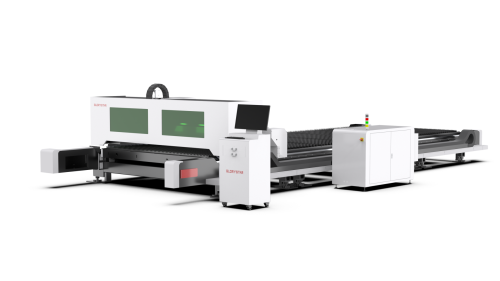
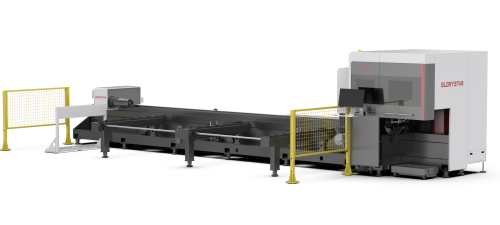
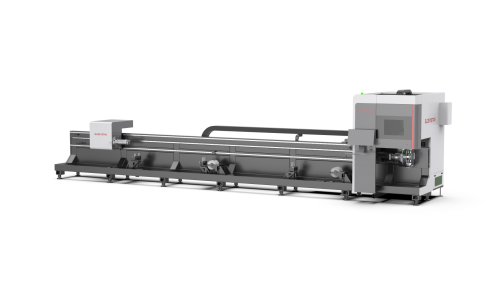
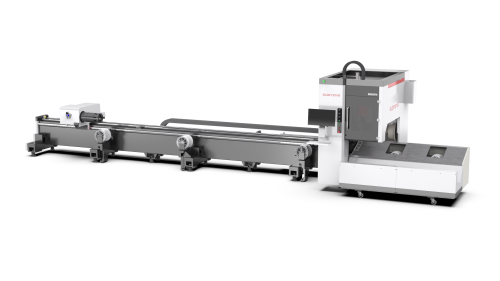
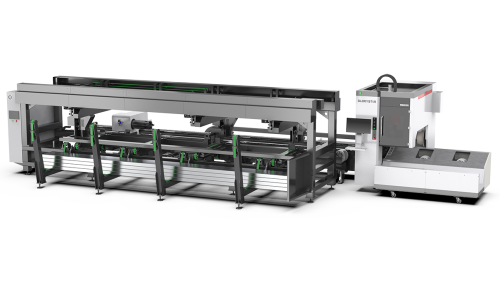
Combined sheet and tube production
Some manufacturers produce both sheet parts and tube products.
Instead of purchasing separate systems, some companies prefer integrated solutions that combine both functions.
Advantages include:
Better equipment utilization
Reduced floor space requirements
Lower total investment
The best option depends on actual production volume and product diversity.
Industry Recommendations
Different industries have different production patterns, making machine selection highly application-dependent.
Furniture manufacturing
Furniture producers typically process medium-sized tubes and sheets.
Recommended configurations:
3015
4020
Agricultural machinery
Agricultural equipment often requires larger parts and thicker materials.
Recommended configurations:
4020
6025
Heavy equipment manufacturing
Heavy machinery manufacturers frequently process oversized components.
Recommended configurations:
6025 and larger
Steel structure industry
Steel fabrication companies generally prioritize larger cutting areas and higher output.
Recommended configurations:
Large-format systems
Automated production lines
Understanding industry-specific requirements can prevent underinvestment or unnecessary spending.
Choosing the Right Configuration
Selecting the proper laser cutting machine size should always involve more than checking sheet dimensions.
Several additional factors deserve attention.
Laser power selection
Power levels should match material thickness and processing requirements.
Higher power does not automatically mean better performance.
Automation requirements
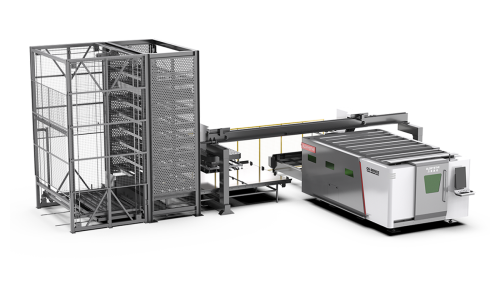
Automatic loading and unloading systems can significantly improve productivity.
Benefits may include:
Reduced labor costs
Higher consistency
Continuous production capability
Workshop layout planning
Available floor space should be evaluated before installation.
Important considerations include:
Machine footprint
Material storage area
Maintenance access
Future expansion space
Future production growth
Many companies focus only on current requirements.
However, expected growth should also influence purchasing decisions.
If production volume is likely to increase within a few years, selecting a system with some additional capacity may be beneficial.
Conclusion
Choosing the correct laser cutting machine size is not simply about purchasing the largest system available. The right decision requires balancing material dimensions, production goals, industry requirements, available space, and future growth plans.
A well-matched machine can improve material utilization, reduce labor costs, increase production efficiency, and create better long-term value. Manufacturers that carefully evaluate their real production needs often achieve better results than those focusing only on equipment specifications or initial purchase price.
The goal is not to buy more machine than necessary—it is to buy the machine that fits your factory most effectively.