Stainless steel is widely used in industries such as kitchen equipment, automotive manufacturing, sheet metal fabrication, medical devices, and decorative engineering because of its clean appearance and corrosion resistance. However, during the process of laser welding stainless steel, many manufacturers face a frustrating problem: the welded area turns yellow, blue, or even brown after processing.
This discoloration is one of the most common concerns in laser welding stainless steel applications. Yellow marks on the weld seam not only affect product appearance, but can also increase polishing costs and reduce customer satisfaction. For factories producing visible stainless steel products, even slight oxidation may lead to additional finishing work and lower production efficiency.
Fortunately, most yellowing problems are preventable. With proper parameter settings, shielding gas control, and stable equipment performance, manufacturers can achieve cleaner weld seams and reduce oxidation significantly.
What Causes Stainless Steel to Turn Yellow After Welding?
The yellow color that appears after welding is usually caused by oxidation. When stainless steel is exposed to excessive heat and oxygen during welding, a thin oxide layer forms on the surface. Different oxidation levels create different colors, including yellow, blue, purple, and dark gray.
Several factors can increase the chance of discoloration during welding.
Excessive Heat Input
Too much heat is one of the biggest causes of yellow weld marks. When the temperature remains high for too long, the surface reacts with oxygen in the air and creates oxidation.
Common reasons include:
Welding power set too high
Welding speed too slow
Heat concentration in one area
Incorrect pulse settings
Reducing unnecessary heat exposure is essential for maintaining a bright and clean stainless steel surface.
Insufficient Shielding Gas
Shielding gas plays a critical role in protecting the weld area from oxygen contamination. If the gas flow is unstable or insufficient, oxidation becomes much more likely.
Problems may include:
Low argon pressure
Poor gas purity
Incorrect nozzle angle
Gas flow interruptions
High-purity argon is commonly recommended for stainless steel welding because it helps protect the molten pool and minimize discoloration.
Improper Focus Position
In laser welding stainless steel processes, focus position directly affects energy concentration. If the focal point is not adjusted correctly, heat distribution becomes unstable, increasing the risk of overheating and surface oxidation.
Incorrect focus settings may also cause:
Uneven weld seams
Excessive spatter
Poor penetration
Reduced welding consistency
Contaminated Material Surface
Oil, dust, moisture, or protective film residue on stainless steel surfaces can react during welding and create discoloration. Before welding, the material surface should always be properly cleaned.
Even fingerprints may affect weld appearance in high-precision industries such as food equipment or decorative stainless steel fabrication.
Does Yellowing Mean the Weld Quality Is Poor?
Not always.
Light yellow discoloration does not necessarily mean the weld is structurally weak. In many cases, the weld strength remains acceptable. However, discoloration often indicates that oxidation protection was insufficient during processing.
For industries that require high corrosion resistance or premium appearance, oxidation should still be minimized as much as possible.
Heavy oxidation may lead to:
Reduced corrosion resistance
Surface contamination
Additional polishing requirements
Lower product value
Poor visual quality
This is especially important for visible stainless steel products such as cabinets, elevators, railings, kitchen equipment, and decorative panels.
How to Prevent Yellow Marks on Stainless Steel
Manufacturers can reduce discoloration significantly by optimizing several key factors during the welding process.
Optimize Welding Parameters
The first step is balancing power and speed correctly.
If the power is too high or the welding speed is too slow, excessive heat accumulates on the material surface. Adjusting these parameters properly helps reduce thermal impact and oxidation.
Stable parameter control is particularly important in laser welding stainless steel production lines where consistency matters.
Use High-Quality Shielding Gas
Argon remains one of the most effective gases for reducing oxidation on stainless steel surfaces.
Recommended practices include:
Using high-purity argon
Maintaining stable gas pressure
Checking gas flow regularly
Positioning the nozzle correctly
Some manufacturers also use nitrogen in specific applications, but argon is still the most common solution for achieving cleaner weld appearance.
Improve Cooling Efficiency
Efficient cooling helps reduce heat accumulation around the weld seam.
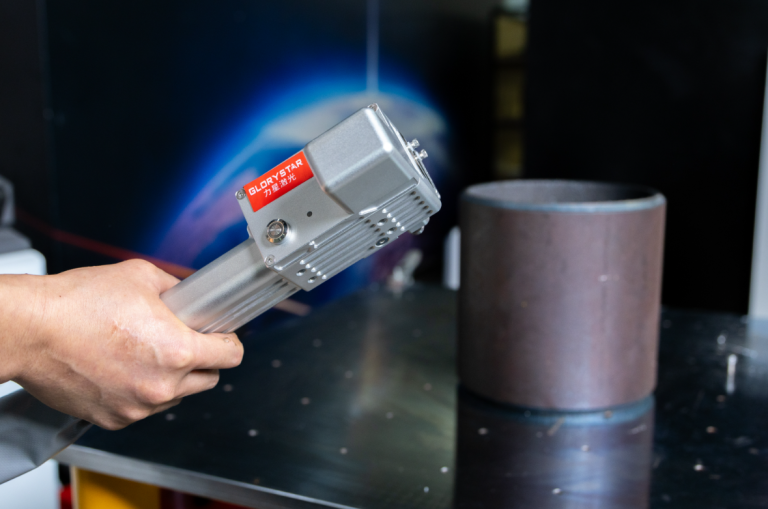
Modern handheld welding systems often feature advanced cooling designs that improve thermal stability during continuous operation. Better cooling performance can help maintain cleaner weld colors and reduce overheating risks.
This is one reason why many manufacturers are replacing traditional TIG welding with fiber laser systems.
Why Handheld Laser Welding Produces Cleaner Welds
Compared with traditional welding methods, handheld laser systems typically produce:
Smaller heat-affected zones
Less deformation
Faster welding speeds
Cleaner weld seams
Reduced polishing work
Because heat input is more concentrated and controlled, oxidation can be reduced significantly when parameters are optimized correctly.
In laser welding stainless steel applications, handheld systems are especially popular for thin sheets, decorative products, kitchen equipment, and custom metal fabrication.
Many factories also choose handheld systems because operators can learn them faster than traditional TIG welding methods.
Common Mistakes That Cause Discoloration
Even with advanced equipment, poor operating habits may still lead to yellow weld seams.
Some common mistakes include:
Using Excessive Power
Higher power does not always mean better welding results. Excessive energy may increase oxidation and create unstable weld appearance.
Ignoring Gas Maintenance
Gas leaks, contaminated gas lines, or unstable pressure can directly affect weld quality.
Welding Dirty Materials
Surface contamination remains one of the easiest problems to overlook.
Poor Welding Angle
Incorrect torch angle may disrupt gas coverage and expose the weld pool to oxygen.
How Manufacturers Reduce Post-Processing Costs
For many factories, reducing polishing and rework is just as important as increasing welding speed.
Cleaner weld seams help manufacturers:
Save labor costs
Improve product consistency
Increase production efficiency
Deliver better visual quality
Reduce secondary finishing processes
This is why more companies are investing in advanced laser welding stainless steel solutions instead of relying entirely on traditional welding technologies.
Final Thoughts
Yellow discoloration after welding is usually caused by oxidation, excessive heat input, or insufficient shielding gas protection. While slight yellowing may not always affect structural strength, it can reduce appearance quality and increase post-processing costs.
By optimizing welding parameters, improving gas protection, cleaning material surfaces, and using stable equipment, manufacturers can significantly reduce oxidation and achieve cleaner stainless steel welds.
As production standards continue to rise, more factories are turning to modern laser welding stainless steel systems to improve efficiency, reduce labor, and produce higher-quality weld seams with less rework.