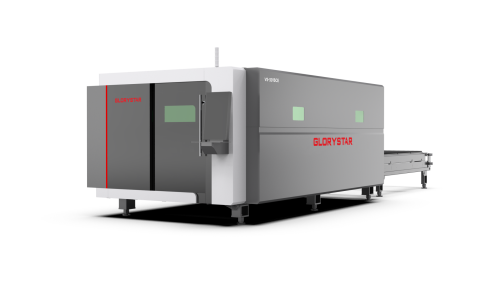
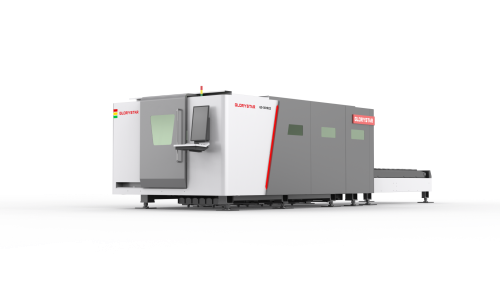
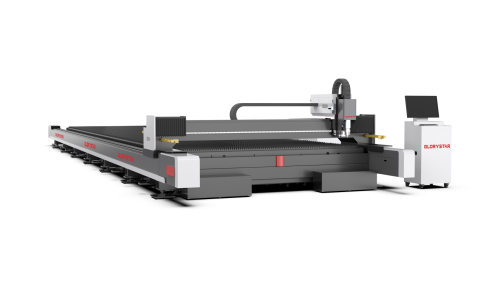
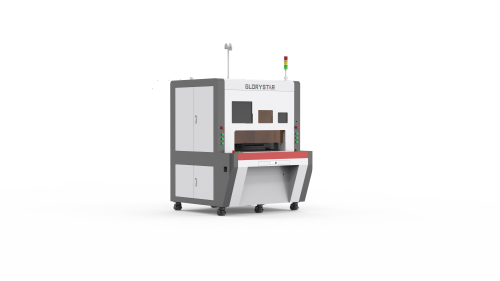
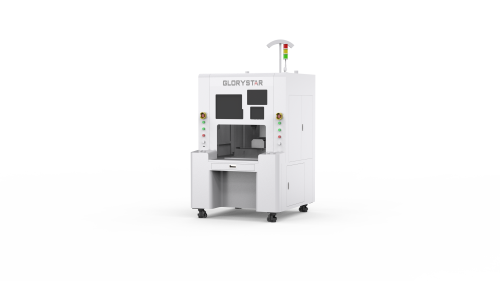
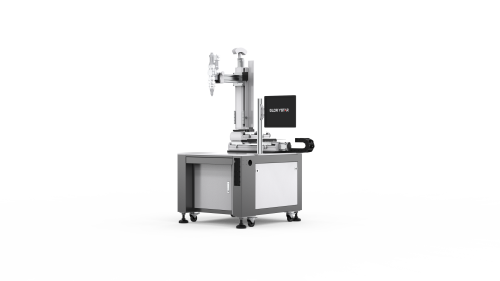
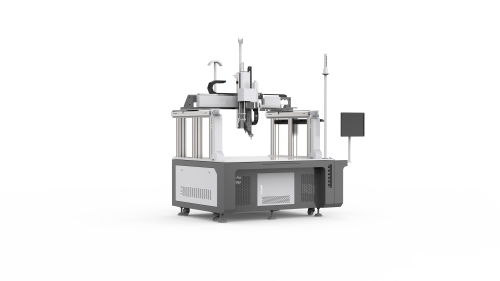
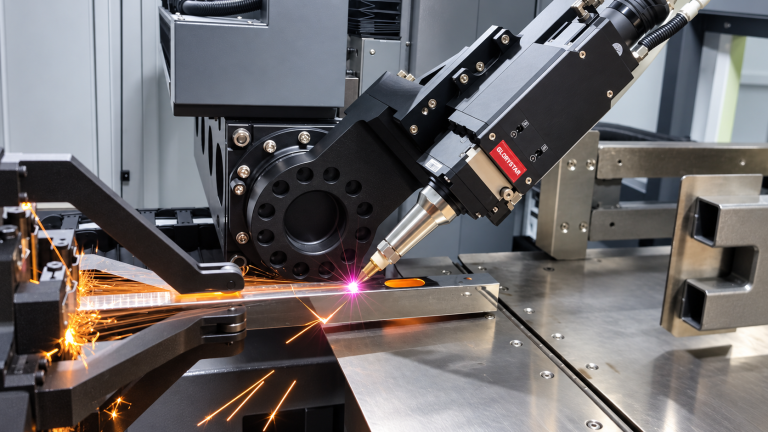
Laser cutting efficiency is not just about speed
When people talk about laser cutting efficiency, most of them immediately think about cutting speed. It is easy to assume that a faster machine automatically means higher productivity. However, in real industrial environments, efficiency is far more complex than speed alone.
True efficiency includes production stability, continuous running capability, automation level, and output consistency. A machine that cuts quickly but stops frequently, requires constant adjustment, or produces unstable results cannot be considered truly efficient in a real factory workflow.
In modern manufacturing, efficiency is not just about how fast a machine operates, but how reliably it supports continuous production over long working hours.
Higher efficiency allows factories to take more orders
One of the most noticeable results of improving laser cutting efficiency is that factories often become busier instead of having less work.
The reason is simple: higher efficiency expands production capacity. When a factory can produce more in less time, it becomes capable of accepting orders that were previously rejected due to limited time or machine capacity.
For example, small batch orders that were once considered unprofitable can now be processed efficiently. Urgent orders become manageable, and more complex projects can be accepted without disrupting production schedules.
As a result, improved efficiency does not reduce workload. It expands business opportunities and allows the factory to grow into new market segments.
Why higher efficiency often leads to more workload
At first glance, it may seem logical that better laser cutting efficiency should reduce workload. However, in real factory operations, the opposite often happens.
When production capacity increases, factories naturally attract more customers. Faster delivery times improve competitiveness, which leads to higher order volumes. At the same time, existing customers tend to place more frequent orders because they trust the factory’s ability to deliver on time.
In this way, efficiency does not reduce work. Instead, it changes the scale and structure of work. The factory moves from being capacity-limited to demand-driven.
The three key factors behind laser cutting efficiency
True laser cutting efficiency is not defined by speed alone. In industrial applications, three core factors determine overall performance.
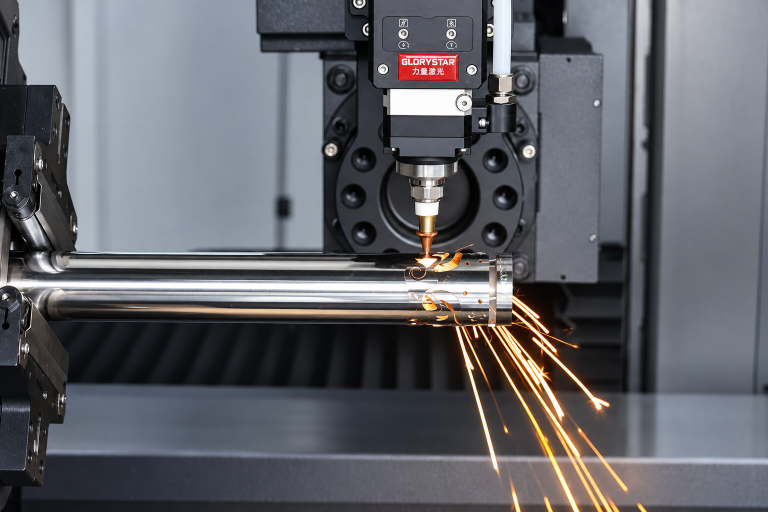
The first is stability. Stable operation is essential for continuous production. Machines that can run for long hours without interruption significantly improve real output efficiency and reduce downtime losses.
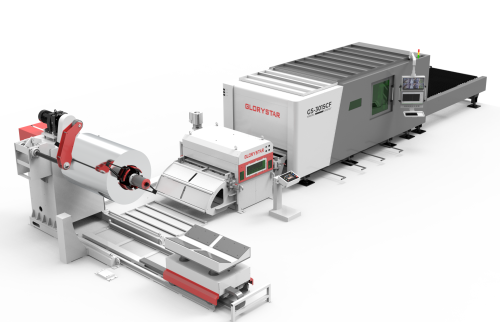
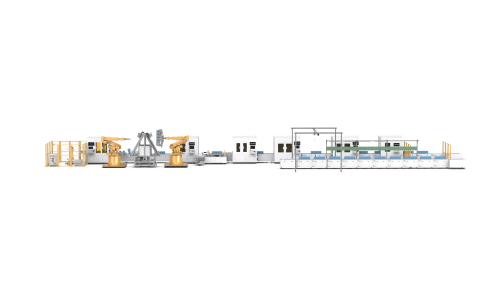
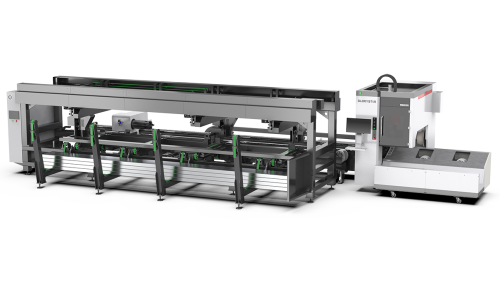
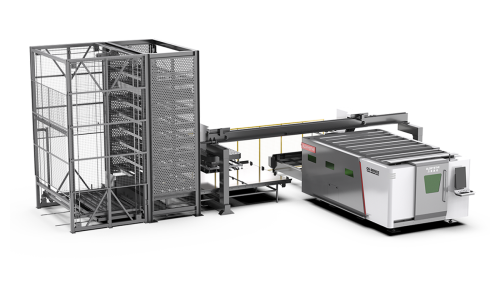
The second is automation. Automated loading, unloading, and nesting systems reduce idle time between processes. This allows production to flow continuously without heavy reliance on manual operation.
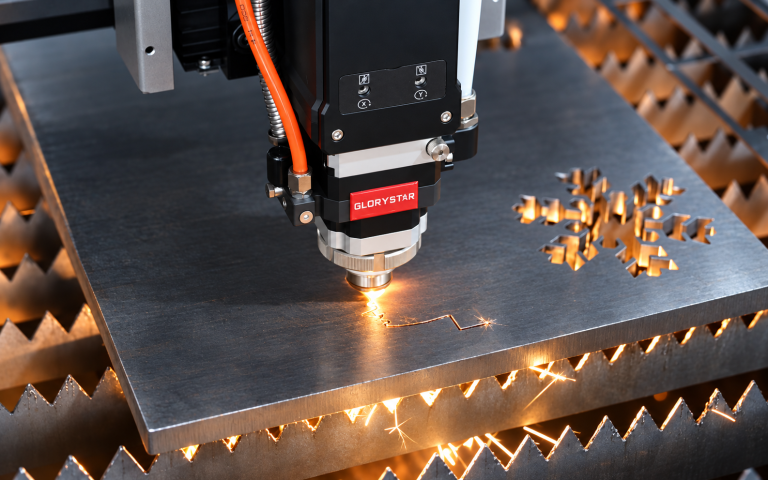
The third is consistency. Consistent cutting quality reduces rework, material waste, and inspection time. High consistency directly improves overall production efficiency and lowers operational costs.
Together, these three elements define whether a machine is truly efficient in real manufacturing conditions.
How efficiency changes factory competition
The improvement of laser cutting efficiency does more than enhance production. It fundamentally changes how factories compete in the market.
Traditionally, competition in metal fabrication was mainly based on price. However, as efficiency increases, competition shifts toward delivery speed, reliability, and production capability.
Customers are no longer focused only on cost. They increasingly ask how fast and how reliably a factory can deliver. This shift means that high-efficiency factories gradually move into higher-value markets, while low-efficiency operations struggle to remain competitive.
Efficiency becomes not just an internal performance metric, but a market-level competitive advantage.
How automation amplifies laser cutting efficiency
Automation plays a critical role in modern laser cutting efficiency. It does not simply replace manual labor—it multiplies production capability.
With automated systems, factories can significantly reduce idle time between processes, maintain stable night-shift production, and minimize human error in repetitive operations.
Instead of machines waiting for operators, production becomes a continuous flow. This transformation allows factories to operate closer to full capacity for longer periods, significantly increasing throughput without increasing labor pressure.
Why efficiency gains lead to busier factories
When all factors are combined, the final outcome becomes clear.
Improving laser cutting efficiency increases production capacity. Higher capacity attracts more orders. More orders increase workload. At the same time, better delivery performance strengthens customer trust, which leads to repeat business and long-term contracts.
Therefore, the real result of efficiency improvement is not reduced workload. It is business expansion.
Factories do not become easier to run. They become capable of handling larger volumes and more complex production demands.
What stage is your factory at?
Every manufacturing business operates within a certain limit defined by its current laser cutting efficiency.
Some factories are capacity-limited and must reject orders regularly. Others are speed-limited and struggle with delivery deadlines. Some are automation-limited and rely heavily on manual processes.
Understanding your current bottleneck is the first step toward improving competitiveness. Once the limitation is identified, targeted improvements in equipment, automation, or process control can significantly increase overall performance.
Final thoughts
Laser cutting efficiency is not just a technical metric. It is a business driver that affects how factories grow, compete, and survive in modern manufacturing markets.
In many cases, improving efficiency does not reduce pressure. Instead, it opens the door to higher demand, faster growth, and stronger market positioning.
Factories that understand this shift are not just upgrading machines. They are upgrading their entire business model.