Introduction
With the rapid development of artificial intelligence (AI), high-performance computing (HPC), cloud computing, energy storage systems, and new energy vehicles, the demand for liquid cooling technology is increasing rapidly. Liquid cooling components such as manifolds, liquid cooling plates, and bellows play a critical role in maintaining efficient heat management and system reliability.
However, for manufacturers of liquid cooling components, producing a qualified product is not only about selecting high-quality materials or achieving precise machining. Welding quality is one of the most important factors that determines product performance, sealing reliability, and long-term stability.
Many manufacturers focus on the initial investment of equipment but overlook the hidden costs caused by poor welding quality. Problems such as leakage, deformation, rework, and inconsistent production quality can significantly increase manufacturing costs and affect customer satisfaction.
So, what are the real costs behind poor welding in liquid cooling components?
Poor Welding Creates More Costs Than You Expect
Leakage Risk and Product Loss
For liquid cooling components, sealing performance is one of the most important requirements. A small welding defect can cause coolant leakage, affecting the reliability of the entire cooling system.
Common welding problems include:
Incomplete weld penetration
Unstable weld seams
Virtual welding or missed welding
Internal defects that are difficult to detect
When these problems occur, manufacturers may face:
Failed leak tests
Increased scrap rates
Product returns
Customer complaints
Especially in applications such as data center cooling systems and battery thermal management, leakage problems can lead to serious consequences and additional costs.
Additional Rework and Labor Costs
Poor welding quality often requires additional processing after welding.
For example, manufacturers may need to spend extra time on:
Weld repair
Surface grinding
Manual inspection
Re-testing
These additional steps not only increase labor costs but also slow down the overall production process.
For mass production, even a small increase in rework time per product can create significant cost pressure over thousands of units.
Production Delays and Lower Efficiency
In the liquid cooling industry, delivery time is becoming increasingly important.
When welding quality is unstable, manufacturers may experience:
Production interruptions
Delayed delivery schedules
Reduced production capacity
Difficulty meeting customer demand
A welding process that cannot maintain stable quality during continuous production can become a major limitation for manufacturers.
Inconsistent Quality During Mass Production
One of the biggest challenges in liquid cooling manufacturing is maintaining consistent quality from prototype production to mass production.
A product may pass initial testing, but problems can appear when production volume increases.
Common reasons include:
Unstable welding parameters
Different operator techniques
Poor process repeatability
Difficulty controlling heat input
For liquid cooling components, production consistency is just as important as the quality of a single sample.
Why Do Welding Problems Happen in Liquid Cooling Components?
Complex Product Structures
Different liquid cooling components have different welding challenges.
For example:
Manifold components usually contain multiple connection points and complex welding paths. The welding process must ensure strong connections while maintaining excellent sealing performance.
Liquid cooling plates often require long continuous welds. Excessive heat input can easily cause deformation and affect product flatness.
Bellows components usually have thin walls and delicate structures. Improper welding parameters may cause burn-through or deformation.
Because of these differences, manufacturers need precise welding control and customized solutions for different applications.
Excessive Heat Input
Traditional welding processes may introduce excessive heat into the workpiece, resulting in:
Thermal deformation
Reduced dimensional accuracy
Difficult assembly
Additional correction processes
For precision liquid cooling components, controlling heat input is essential to maintain product quality.
Unstable Welding Processes
During manual or inconsistent welding processes, the quality of each weld may vary.
This can lead to:
Uneven weld appearance
Different sealing performance between batches
Reduced production efficiency
A stable and repeatable welding process is necessary for large-scale manufacturing.
How Laser Welding Reduces Hidden Costs in Liquid Cooling Manufacturing
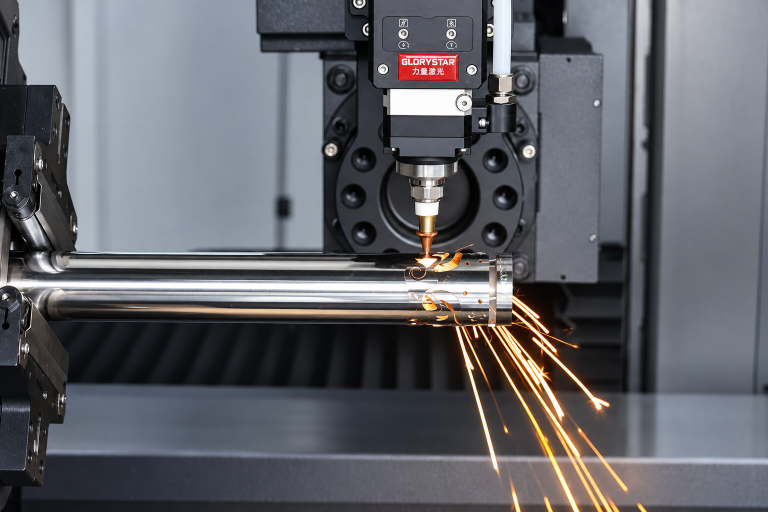
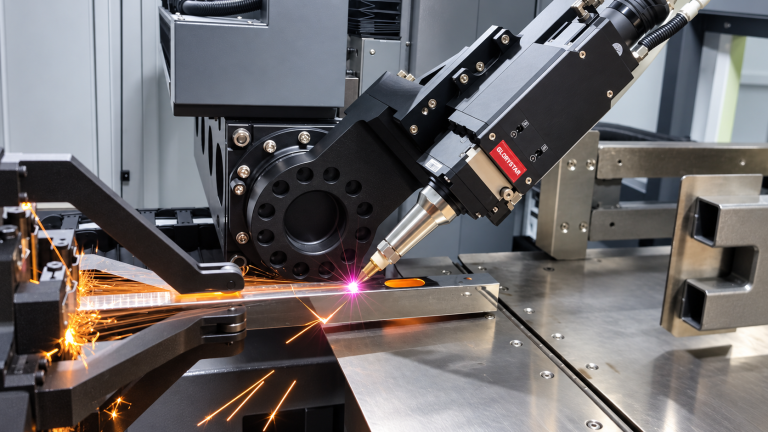
Laser welding provides manufacturers with a more precise and reliable solution for liquid cooling component production.
Better Sealing Performance
Laser welding produces continuous and dense weld seams, helping reduce leakage risks and improving the overall sealing performance of liquid cooling components.
For products that require high reliability, such as manifolds and liquid cooling plates, stable sealing performance is essential.
Smaller Heat-Affected Zone
Compared with traditional welding methods, laser welding provides concentrated energy input and a smaller heat-affected zone.
This helps:
Reduce welding deformation
Maintain product accuracy
Improve assembly performance
Higher Welding Strength
A stable laser welding process can create strong and reliable joints, improving the structural performance of liquid cooling components.
This is especially important for components that operate under long-term pressure and thermal cycling conditions.
Better Weld Appearance and Less Post-Processing
Laser welding produces fine and uniform weld seams with better surface quality.
As a result, manufacturers can reduce:
Manual grinding
Surface finishing
Additional processing steps
This helps improve production efficiency while reducing manufacturing costs.
Stable Quality for Mass Production
One of the biggest advantages of laser welding is process repeatability.
By accurately controlling welding parameters and paths, manufacturers can achieve:
Consistent weld quality
Reduced production variation
Higher manufacturing efficiency
This makes laser welding an ideal solution for liquid cooling component mass production.
Laser Welding Solutions for Different Liquid Cooling Components
Different liquid cooling products require different welding solutions.
Manifold Laser Welding Solution
Manifolds require high precision because they usually contain multiple ports, complex structures, and strict sealing requirements.
A suitable laser welding solution helps achieve:
Uniform and reliable weld seams
Strong connections
Reduced leakage risks
Stable production quality
Liquid Cooling Plate Laser Welding Solution
Liquid cooling plates typically have long welding paths and strict requirements for flatness and sealing performance.
Laser welding helps manufacturers achieve:
Better deformation control
Smooth and consistent weld seams
Reliable sealing performance
Improved production efficiency
Bellows Laser Welding Solution
Bellows components require precise welding due to their thin walls and sensitive structures.
Laser welding technology helps provide:
Accurate welding positioning
Lower heat input
Reduced deformation
Reliable connection strength
Reduce Hidden Costs with a Reliable Liquid Cooling Laser Welding Solution
Poor welding quality can create costs that are difficult to measure, from product failures and rework to delayed deliveries and customer complaints.
For liquid cooling manufacturers, choosing the right welding technology is not only about improving weld appearance. It is about achieving reliable sealing, stable quality, efficient production, and long-term product competitiveness.
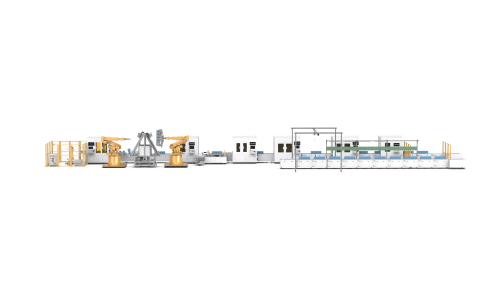
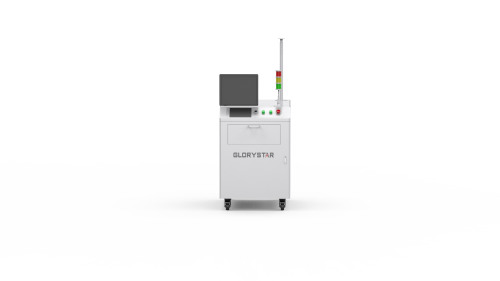
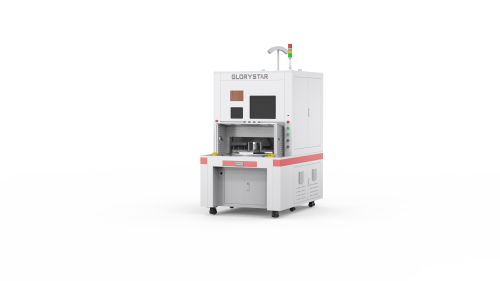
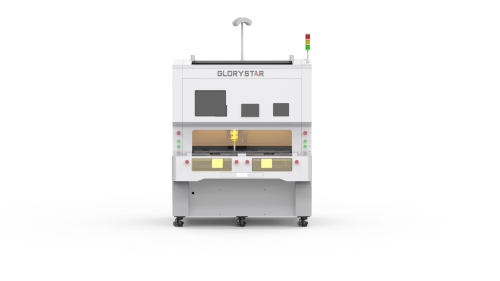
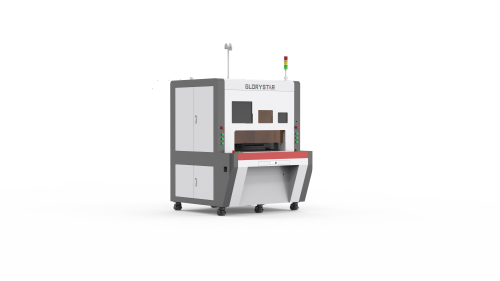
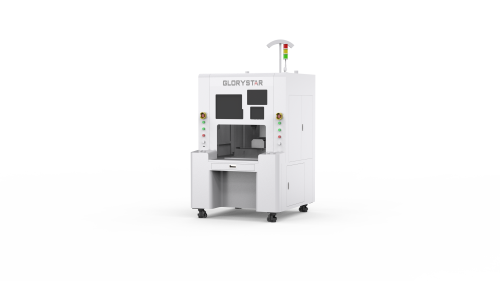
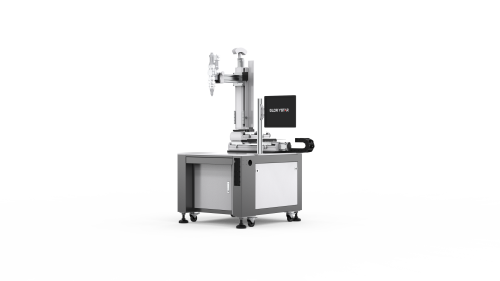
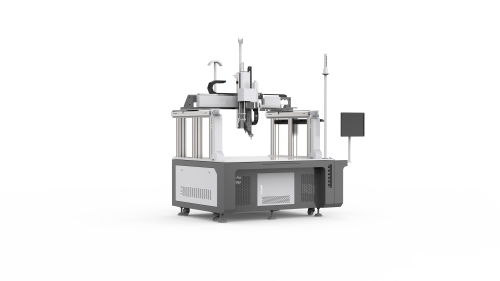
With professional laser welding technology and industry-focused solutions, Glory Laser provides reliable laser welding equipment for liquid cooling applications, including manifold, liquid cooling plate, and bellows welding. Through precise process control and stable production performance, Glory Laser helps manufacturers reduce hidden costs and improve the reliability of liquid cooling components.