Introduction
In metal fabrication, not every production day follows the same schedule. A laser cut machine may be used to process stainless steel enclosures in the morning, carbon steel brackets in the afternoon, and different metal components the following day. Some orders involve hundreds of identical parts, while others require only a small number of pieces in various shapes and dimensions. This changing production environment requires manufacturers to manage different materials, processing tasks, and order quantities efficiently.
This production environment creates challenges for manufacturers, especially when orders change frequently. Machine setup, material replacement, cutting program adjustments, and production scheduling can all affect delivery times.
Choosing the right laser cut machine is therefore not just about cutting speed or laser power. Manufacturers also need equipment that can adapt to different processing requirements and maintain a practical workflow when production plans change.
Why Do Frequent Order Changes Create Production Challenges?
For factories handling multiple customer orders, production flexibility is essential. However, frequent changes can interrupt the normal manufacturing process in several ways.
Material changes are one common challenge. Different orders may require stainless steel, carbon steel, aluminum, or other metal materials. Operators need to prepare the correct sheets, confirm material specifications, and adjust processing conditions according to each job.
Cutting programs also need regular updates. Different components have different shapes, dimensions, hole positions, and cutting paths. When a new order arrives, operators must load the appropriate drawings and verify that the cutting program matches the actual production requirements.
Another issue is production scheduling. Small orders may need to be processed between larger batches, making it harder to organize materials, machine time, and delivery priorities.
Without an efficient production process, these repeated changes can increase machine idle time and make delivery planning more difficult.
What Makes a Laser Cut Machine Suitable for Mixed Production?
A suitable laser cut machine should support a wide range of processing tasks without making every order change unnecessarily complicated.
Several factors deserve attention.
1. Flexible Processing for Different Materials
A metal fabrication factory may process several material types within the same production week. The cutting system should be suitable for the materials and thickness ranges required by the factory.
For example, stainless steel components may require different cutting conditions from carbon steel parts. Aluminum processing also involves its own considerations.
Manufacturers should evaluate the laser source, cutting head, gas supply configuration, and control system together rather than selecting equipment based on laser power alone.
2. Efficient Program Preparation and Switching
When production drawings change frequently, preparing the next cutting job efficiently becomes important.
A practical workflow should allow operators to import new drawings, arrange parts, check cutting paths, and prepare the next program before the current job is completed whenever scheduling allows.
This reduces unnecessary preparation delays between orders.
The software should also support the factory's actual drawing formats and nesting requirements. For manufacturers handling many different components, clear program management helps reduce confusion between production batches.
3. A Suitable Working Area for Different Sheet Sizes
Order changes often involve different component dimensions and sheet specifications.
A factory producing small brackets may also receive orders for larger structural plates. If the machine working area is too limited, operators may need to divide certain jobs into additional processing steps.
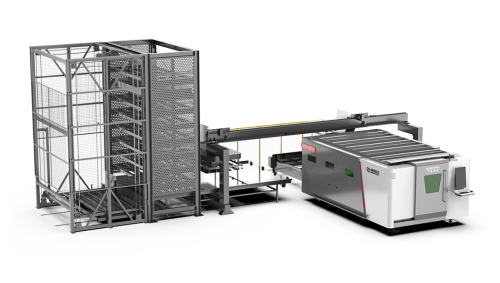
When selecting an industrial laser cutting machine, manufacturers should consider their current sheet sizes as well as the range of products they expect to process in the future.
A suitable working area provides more flexibility when production requirements change.
4. Reliable Performance Across Different Production Tasks
Frequent order changes should not mean sacrificing cutting consistency.
Different jobs may involve varying cutting paths, part geometries, and material thicknesses. The machine's motion system, cutting head, bed structure, and control system all contribute to stable processing.
For factories that switch between different products regularly, equipment reliability is particularly important because unexpected interruptions can affect several customer orders at once.
How Can Factories Reduce Delays Between Different Orders?
Equipment selection is only one part of improving production flexibility. Daily production organization also plays an important role.
Manufacturers can consider several practical measures.
Prepare materials in advance: Confirm the material type, thickness, and sheet dimensions for upcoming orders before the machine finishes its current task.
Organize cutting programs: Keep production drawings and cutting programs clearly classified by order number or product type.
Group compatible jobs: When possible, arrange orders with similar materials and thicknesses together to reduce unnecessary material changes.
Check the next job early: Review drawings, cutting paths, and material requirements before starting the next production batch.
Maintain the machine regularly: Keep the cutting head, protective components, and motion system in appropriate working condition to reduce avoidable interruptions.
These measures help create a more predictable workflow, particularly for factories handling frequent changes in customer requirements.
Choosing an Industrial Laser Cutting Machine for Changing Production Needs
When evaluating an industrial laser cutting machine, manufacturers should look beyond the specifications listed on a product brochure.
The actual production environment should guide the purchasing decision.
A factory mainly processing thin stainless steel sheets may have different equipment requirements from one handling thick carbon steel plates and larger structural components.
Manufacturers should therefore assess several factors before investing:
What materials and thicknesses are processed most frequently?
What are the typical dimensions of the sheets and finished components?
How often do production drawings and order quantities change?
Does the control system support the factory's existing production workflow?
Can the equipment accommodate future changes in product requirements?
A well-matched machine can help manufacturers handle different production tasks without introducing unnecessary operational complexity.
Conclusion
Frequent changes in production orders are a normal part of modern metal fabrication. For manufacturers handling multiple materials, different component designs, and varying order quantities, production flexibility has become an important equipment consideration.
A suitable laser cut machine should combine appropriate processing capabilities, efficient program preparation, a suitable working area, and reliable performance. Together with organized material management and production scheduling, these factors help factories respond more effectively to changing customer demands.
With over 20 years of experience in laser equipment manufacturing, Glorystar provides fiber laser cutting solutions for different metal sheet processing requirements. By evaluating material types, sheet dimensions, cutting needs, and production conditions, manufacturers can identify suitable equipment for their operations and build a more adaptable production process.