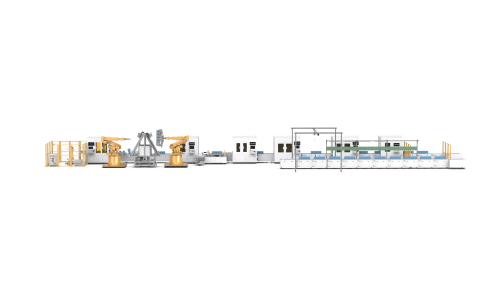
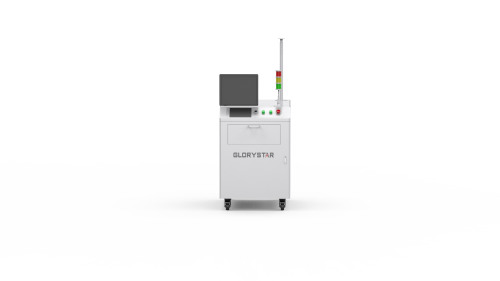
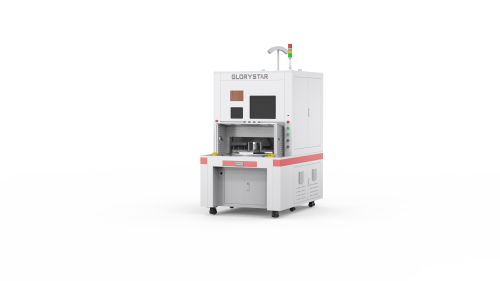
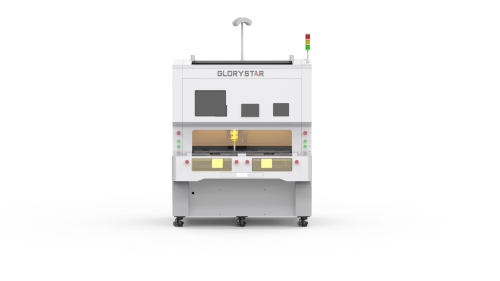
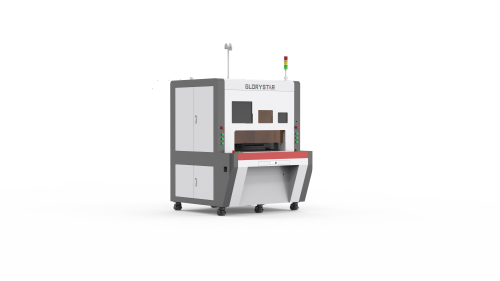
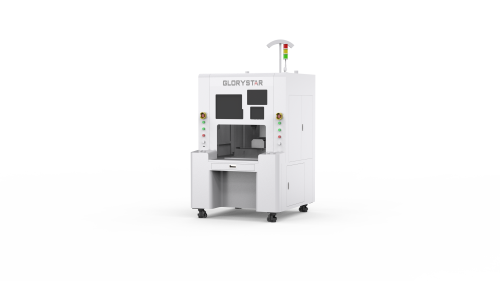
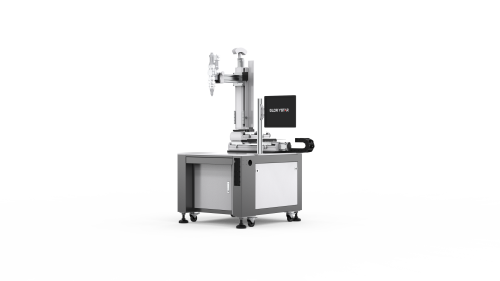
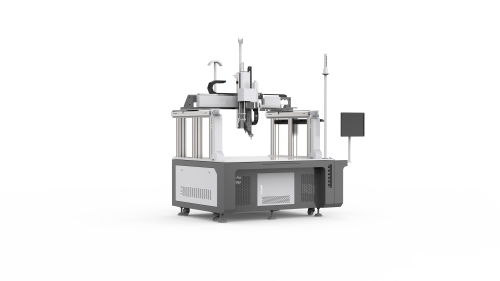
In liquid cooling applications such as data centers, energy storage systems, new energy vehicles, and server cooling systems, manifolds are critical components for fluid distribution. They are responsible for directing coolant to different channels while managing return flow and fluid collection throughout the system. To ensure sealing performance, structural strength, and long-term reliability, manifold laser welding is widely adopted in the manufacturing of modern liquid cooling manifolds.
Compared with standard metal components, manifolds typically feature multiple ports, connectors, end plates, fittings, and housing joints. As the number of connection points increases, welding paths become more complex, placing higher demands on weld consistency, sealing performance, and mechanical strength.
For manufacturers in the liquid cooling industry, the challenge is not simply joining components together. The real goal is ensuring that every weld maintains the same quality standards throughout mass production.
Why Do Multi-Port Manifold Designs Increase Welding Complexity?
One of the biggest challenges in manifold manufacturing comes from the multi-port structure itself.
Within a single manifold assembly, different connection points may have varying angles, wall thicknesses, assembly tolerances, and welding paths. If welding parameters are not properly matched to each location, some areas may suffer from insufficient penetration, while others may experience excessive heat input that leads to burn-through or deformation.
Common welding issues include:
Inconsistent weld bead width across different ports
Insufficient weld penetration that affects joint strength
Incomplete weld seams that increase leakage risk
Heat-induced deformation around connectors and fittings
Uneven weld surfaces requiring additional grinding and finishing
Variations in air-tightness test results during mass production
For manifolds designed to operate under continuous pressure conditions, visual inspection alone is not enough to evaluate weld quality. Comprehensive validation should also include leak testing, pressure testing, and mechanical strength verification.
Why Is Laser Welding Ideal for Complex Manifold Structures?
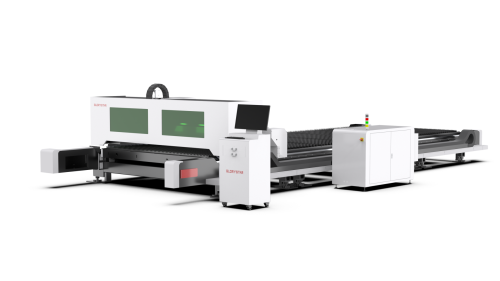
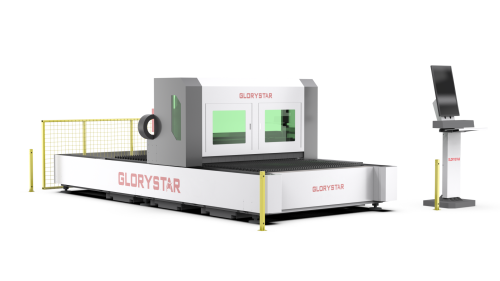
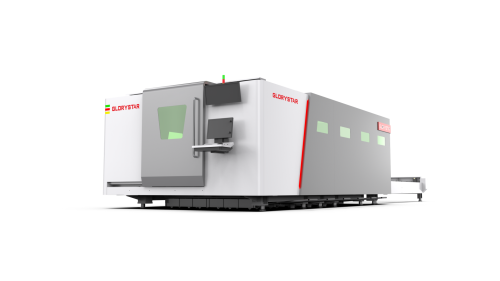
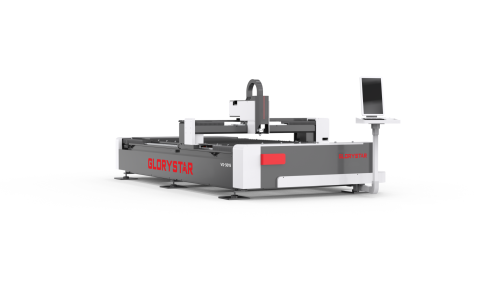
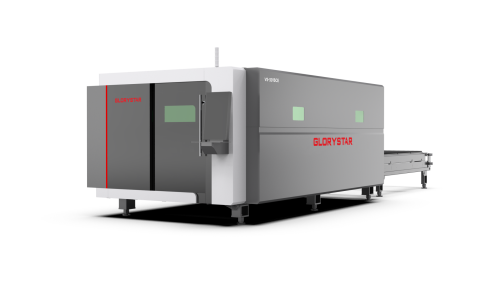
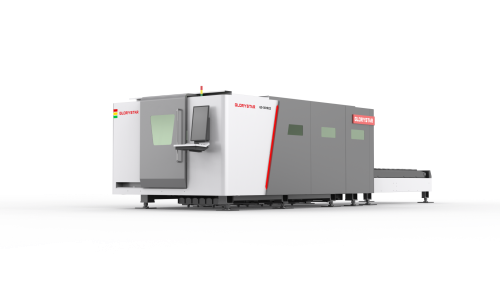
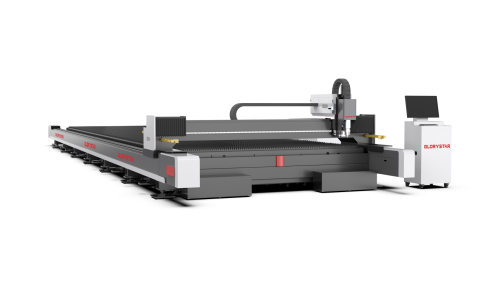
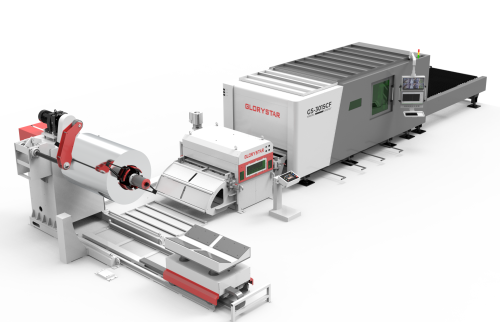
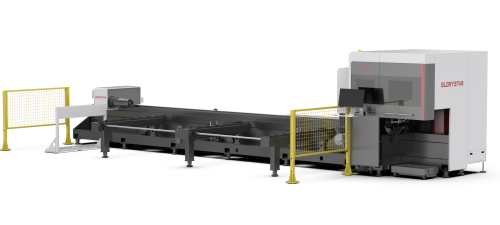
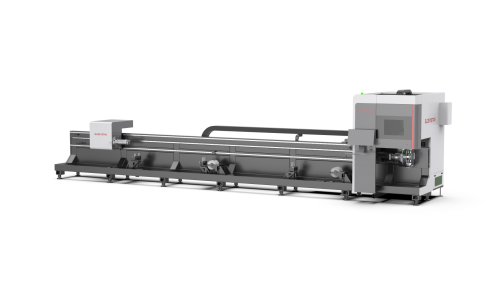
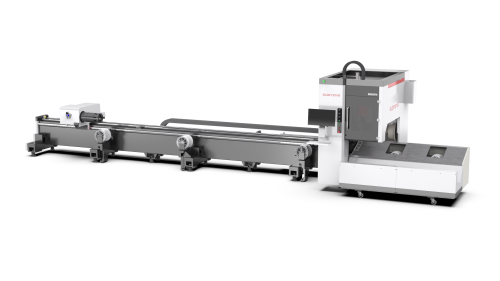
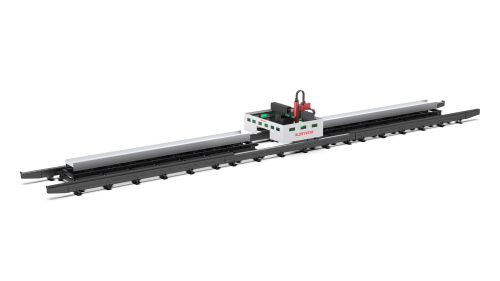
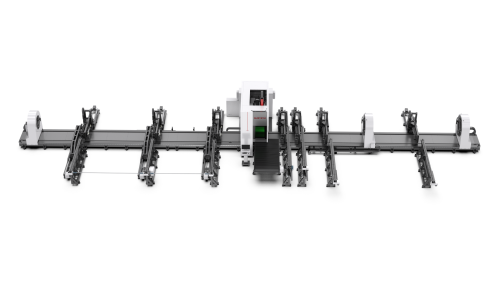
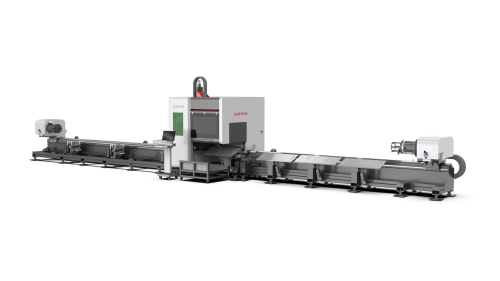
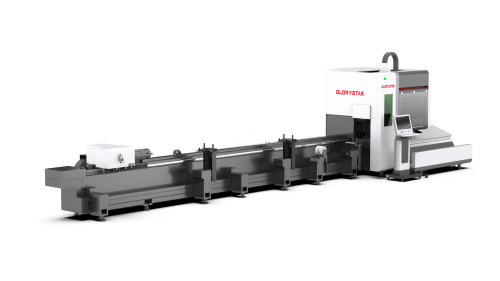
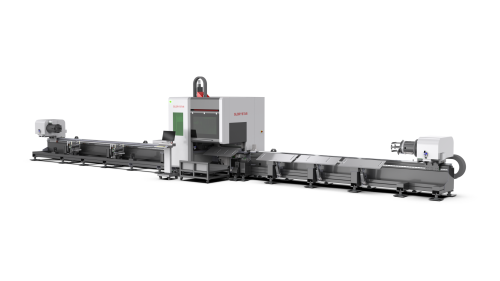
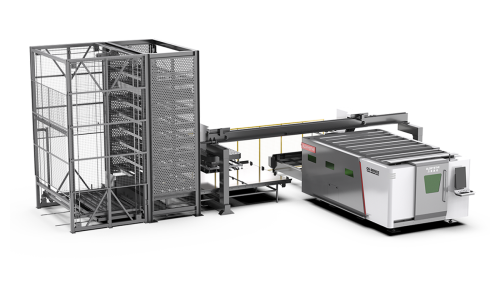
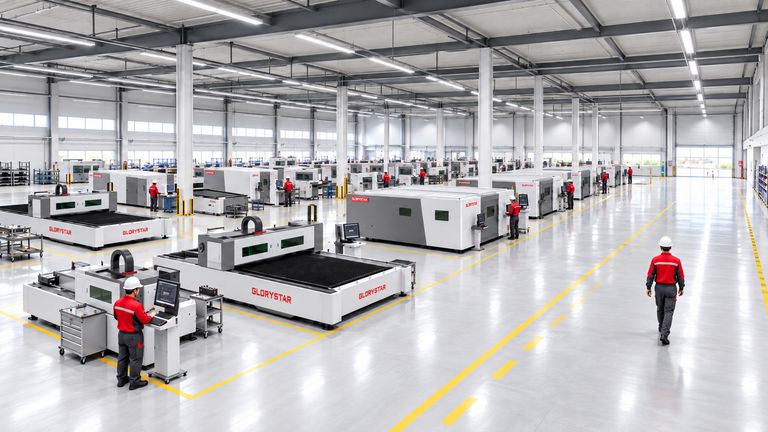
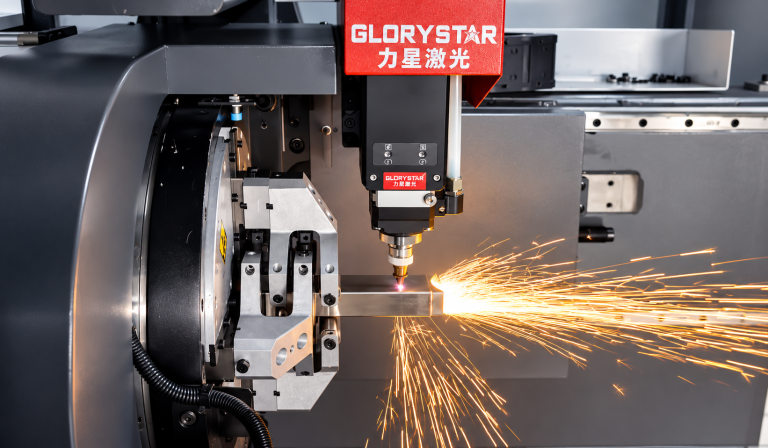
The Glorystar manifold laser welding machine utilizes precision laser welding technology designed to handle the complexity of multi-port manifold production.
By optimizing welding paths and process parameters for different joint locations, laser welding can provide greater control over weld quality across complex geometries.
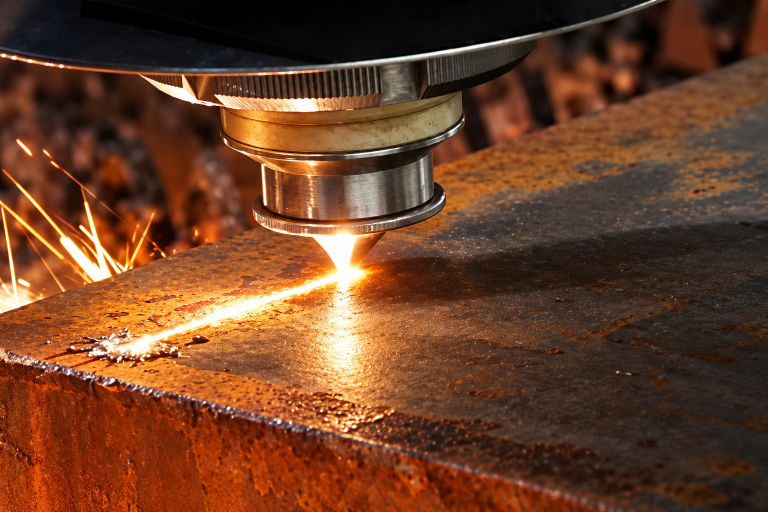
One of the key advantages of laser welding is its small heat-affected zone. Reduced heat input helps minimize thermal distortion, making it particularly suitable for manifolds with numerous ports, fittings, and intricate structures.
Through precise control of laser power, welding speed, and focal position, manufacturers can achieve more consistent penetration and weld appearance. Different welding parameters can be applied to various joint configurations, helping reduce the risks of missed welds, insufficient fusion, or burn-through.
Under properly optimized process conditions, laser welding typically produces:
More uniform weld seams
Better weld appearance
Improved penetration consistency
Reduced thermal deformation
Lower post-processing requirements
Less manual grinding and finishing work
These advantages make laser welding an attractive solution for manifold manufacturers seeking both quality and productivity improvements.
Why Is Weld Consistency Even More Important in Mass Production?
For liquid cooling component manufacturers, successful prototype welding is only the first step. The true challenge lies in maintaining consistent quality throughout large-scale production.
When welding processes fluctuate during continuous manufacturing, quality variations can occur between batches. Some products may pass leak testing without issue, while others require costly rework.
As rework rates increase, manufacturers often face:
Reduced production efficiency
Higher labor costs
Increased inspection expenses
Greater production management complexity
Longer delivery lead times
A stable manifold laser welding solution can help manufacturers:
Reduce dependence on operator experience
Improve weld consistency across multiple connection points
Minimize the risk of incomplete welds, weak joints, and burn-through
Increase leak test pass rates
Reduce rework and scrap
Shorten production cycles
Enhance large-volume order fulfillment capabilities
For companies serving rapidly growing liquid cooling markets, welding consistency has become a critical factor in maintaining product quality and competitiveness.
What Should Buyers Evaluate When Selecting a Manifold Laser Welding Machine?
When investing in a manifold laser welding machine, buyers should avoid focusing solely on laser power specifications or equipment pricing. Real-world production performance is often a more important indicator of long-term value.
Manufacturers should evaluate equipment based on actual manifold samples and verify the following factors:
1. Compatibility with Different Port Configurations
Can the machine effectively weld manifolds with varying numbers of ports, joint types, and welding angles?
2. Weld Appearance
Are the weld seams uniform, clean, and visually consistent across all connection points?
3. Penetration Stability
Can the machine maintain consistent penetration depth throughout complex welding paths?
4. Deformation Control
Does the welding process minimize distortion around critical connection areas?
5. Mechanical Strength
Do welded joints meet the required tensile strength and durability standards?
6. Sealing Performance
Can the finished manifold consistently pass air-tightness and pressure testing requirements?
7. Post-Processing Requirements
How much grinding, polishing, or manual finishing is required after welding?
8. Product Changeover Flexibility
Can the system quickly adapt to different manifold models and production requirements?
9. Suitability for Continuous Production
Can the equipment maintain stable performance during long production runs and high-volume manufacturing?
Glorystar Manifold Laser Welding Solutions
Glorystar provides customized manifold laser welding solutions based on customer requirements, including material type, wall thickness, number of ports, structural design, and production capacity goals.
By offering sample testing and process development support, Glorystar helps manufacturers identify the most suitable welding parameters for their specific manifold applications.
For liquid cooling component manufacturers, selecting the right manifold laser welding equipment can significantly improve weld quality, reduce leakage risks, and strengthen large-scale production capabilities. As liquid cooling technologies continue to expand across data centers, energy storage systems, and electric vehicle applications, consistent manifold welding quality is becoming increasingly important for long-term manufacturing success.