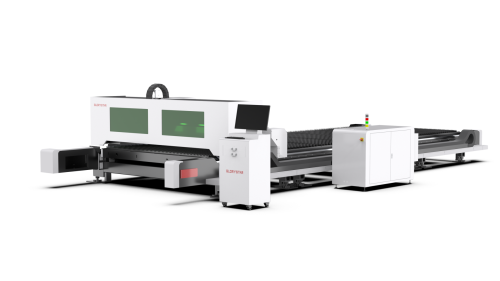
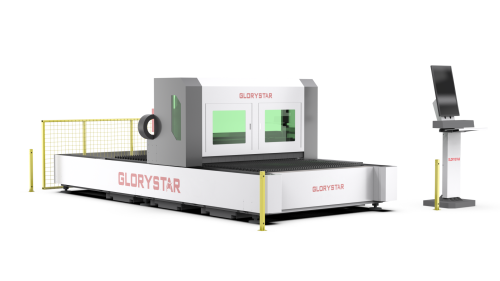
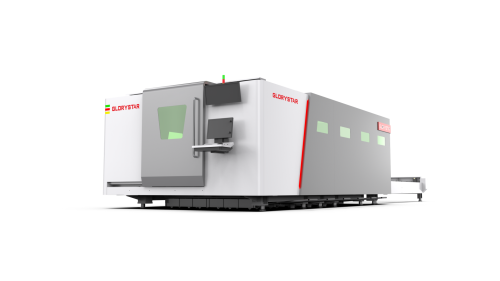
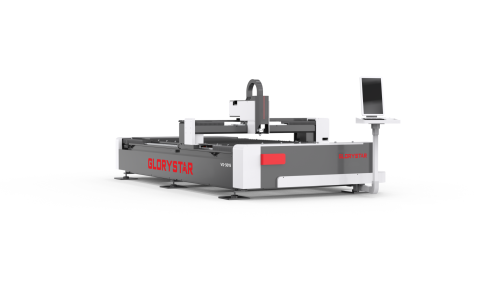
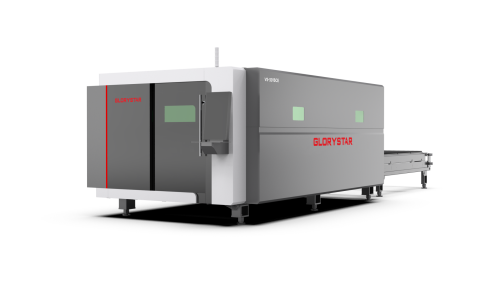
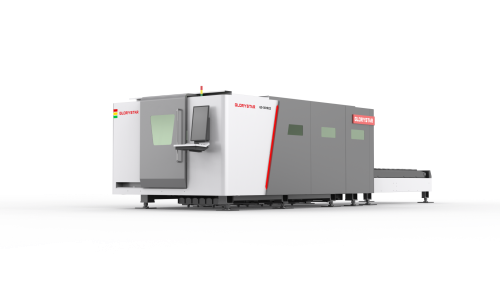
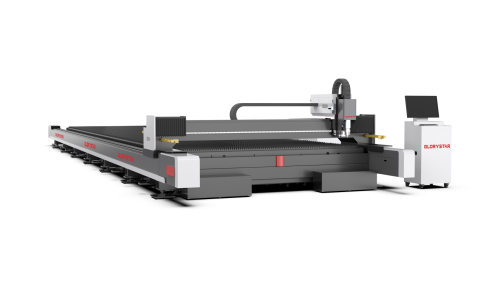
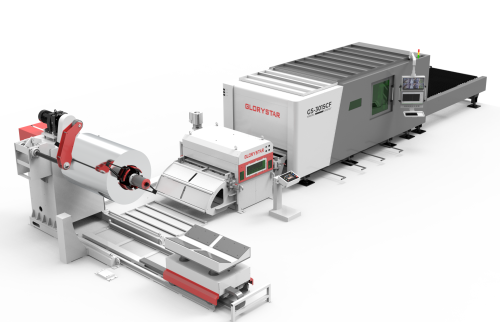
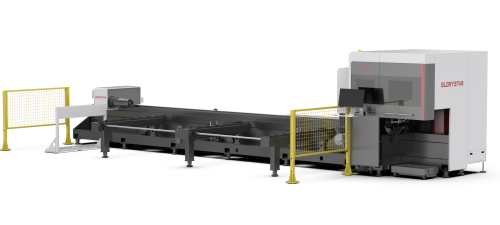
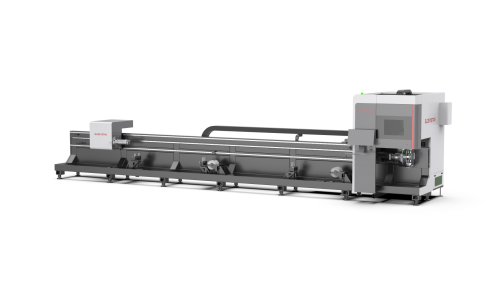
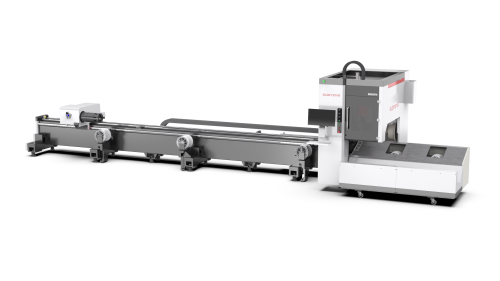
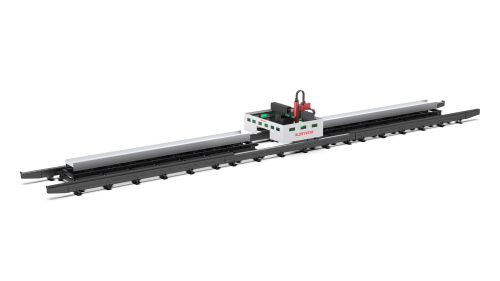
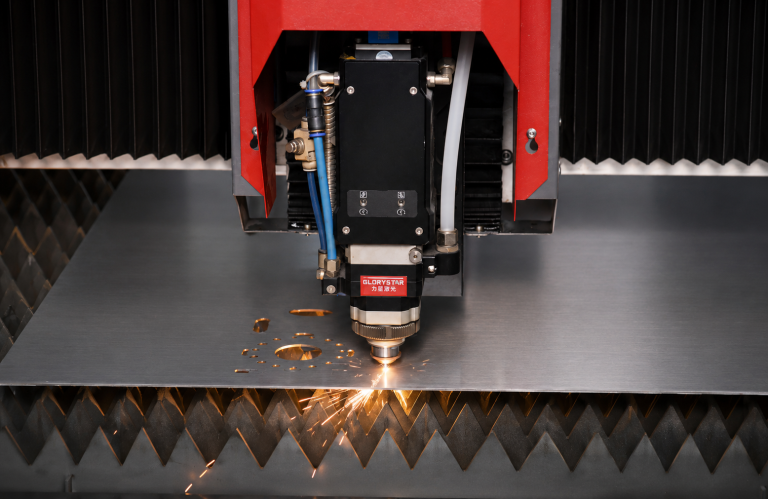
When a laser cutting machine suddenly stops cutting through metal properly, it can bring an entire production line to a halt. For many factories, this is not just a technical issue—it directly affects delivery time, cost, and customer trust.
The search term “laser cutting not cutting” is exactly what many operators type into Google when they face this problem. In most cases, the machine itself is not broken. Instead, the issue usually comes from parameters, consumables, or setup conditions that have gradually shifted during operation.
This article breaks down the real reasons behind cutting failure and explains how to quickly diagnose and fix the problem.
Understanding the Real Problem Behind Cutting Failure
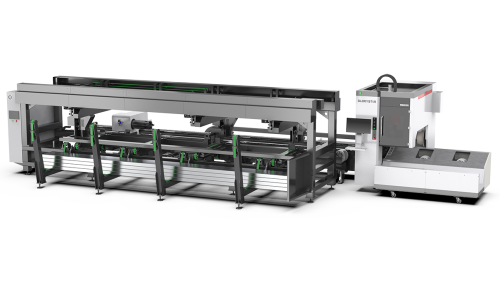
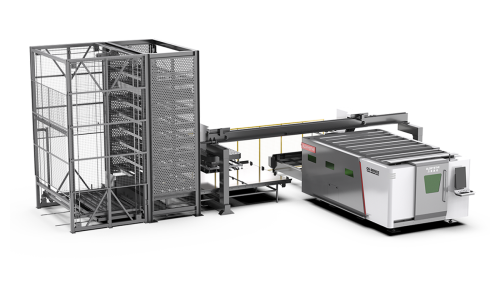
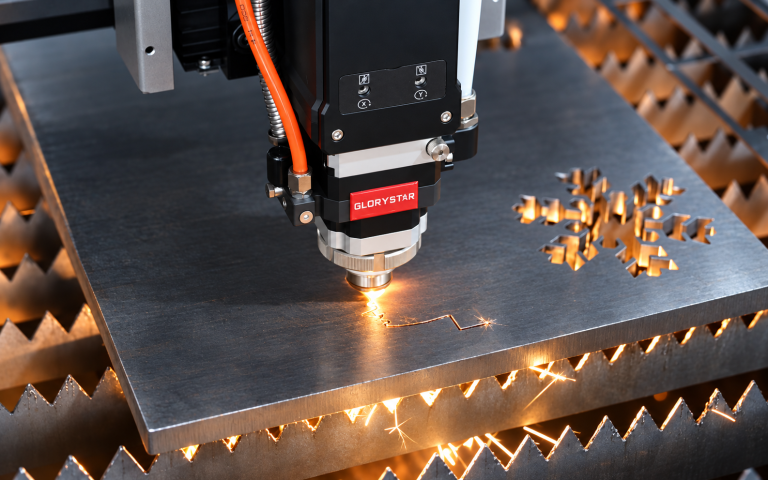
A fiber laser cutting system is not just a high-power machine. It is a combination of laser source, cutting head, gas system, control software, and material interaction.
When users search for issues like “laser cutting not cutting,” they are usually experiencing one of the following:
The machine runs normally but does not penetrate the material
Cutting speed becomes extremely slow
The cut is incomplete or uneven
The surface shows burning or slag buildup
In most cases, the laser cutting machine is still functioning, but one or more key conditions are no longer optimized.
1. Incorrect Power or Cutting Parameters
One of the most common reasons a fiber laser cutting system fails to cut properly is incorrect parameter settings.
Even if the machine is powerful enough, wrong settings can reduce cutting performance significantly.
Typical issues include:
Cutting speed set too high
Power level too low for material thickness
Incorrect frequency or duty cycle
Using old parameters for new material batches
For example, cutting 10mm carbon steel requires very different settings compared to 5mm steel, even on the same laser cutting machine.
Many operators reuse previous settings to save time, but this often leads to incomplete penetration and poor cutting quality.
2. Assist Gas Problems (Often Overlooked)
Assist gas plays a critical role in fiber laser cutting performance. It is not just for blowing away molten metal—it directly affects cutting speed and penetration ability.
Common gas-related issues include:
Low gas pressure
Poor gas purity (especially nitrogen for stainless steel)
Wrong gas type selection
Unstable gas flow
If gas pressure drops, even a high-power laser cutting machine may fail to cut through thick metal. This is one of the most misunderstood causes of cutting failure.
A stable gas system is just as important as laser power itself.
3. Nozzle and Cutting Head Issues
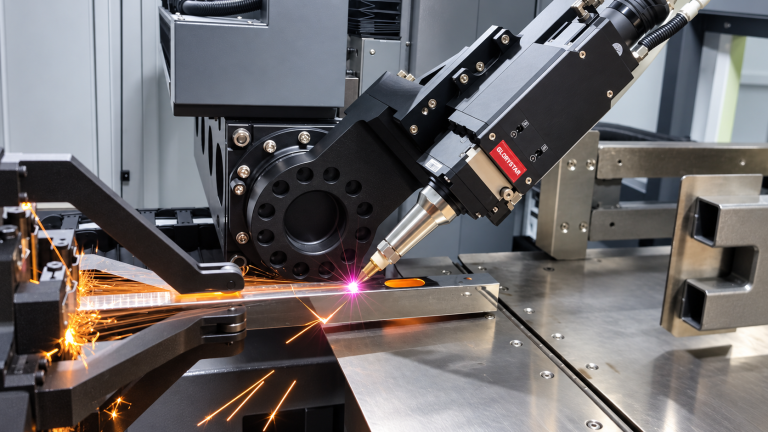
The cutting head is one of the most sensitive parts of a fiber laser cutting system.
Over time, the nozzle can become blocked or worn out due to metal splatter and dust accumulation.
This leads to:
Reduced cutting efficiency
Inconsistent beam focus
Partial or uneven cutting
Increased slag on the bottom edge
In many cases, simply cleaning or replacing the nozzle restores normal performance.
This is why regular maintenance of the laser cutting machine is essential, especially in continuous production environments.
4. Focus Position Misalignment
Another critical factor is laser focus position.
The laser beam must be precisely focused on the correct point of the material surface or slightly below it, depending on the application.
If the focus is incorrect:
The energy density drops
The beam spreads instead of penetrating
Cutting becomes shallow or incomplete
Even a small deviation in focus can cause the entire fiber laser cutting process to fail.
Modern machines often have automatic focusing systems, but they still require calibration and periodic checking.
5. Optical System Contamination
A clean optical path is essential for stable laser performance.
Dust, oil, or smoke particles can accumulate on protective lenses and reduce energy transmission.
This results in:
Lower effective laser power at the material surface
Weak penetration even when machine power is normal
Unstable cutting quality over time
Many operators mistakenly think the laser cutting machine is losing power, when in reality the issue is simply lens contamination.
Regular cleaning and inspection of optical components can prevent this problem entirely.
6. Material Variations and Surface Conditions
Not all materials behave the same under laser cutting.
Even if the same type of metal is used, variations in surface condition can affect cutting performance.
Common factors include:
Rust or oxidation on the surface
Oil or coating layers
Different material batches with inconsistent composition
Reflective surfaces (especially aluminum or copper)
These factors can significantly affect how a fiber laser cutting machine interacts with the material.
7. Cooling and System Stability Issues
Laser cutting systems rely heavily on stable temperature control.
If the cooling system is not working properly, performance can drop gradually.
Possible issues include:
Overheated laser source
Unstable chiller performance
Environmental temperature too high
Long continuous operation without rest
When thermal stability is compromised, even a high-end laser cutting machine may struggle to maintain consistent cutting depth.
How to Diagnose the Problem Quickly
When facing a “laser cutting not cutting” situation, a structured approach is more effective than random adjustments.
A simple checklist:
Check cutting parameters first
Verify gas pressure and type
Inspect nozzle condition
Confirm focus position
Clean optical components
Check material condition
Review cooling system status
In most cases, the issue is found in the first three steps, not the machine itself.
Final Thoughts
When a fiber laser cutting system fails to cut through metal, it is rarely a complete machine failure. More often, it is a combination of small deviations in setup, maintenance, or operating conditions.
Understanding how each factor affects the cutting process helps operators solve problems faster and avoid unnecessary downtime.
A well-maintained laser cutting machine can operate reliably for years, but it requires consistent attention to gas systems, optics, and parameter management.
If cutting issues continue even after adjustments, it may be a sign that the system needs professional inspection or an upgrade to higher stability equipment designed for heavier workloads.