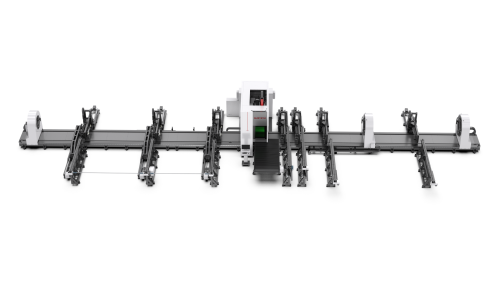
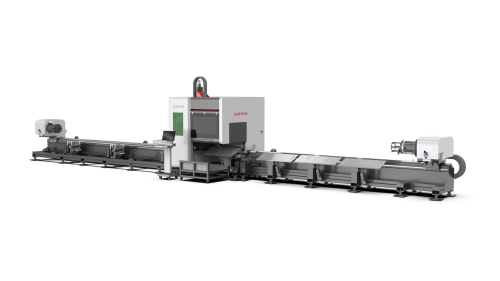
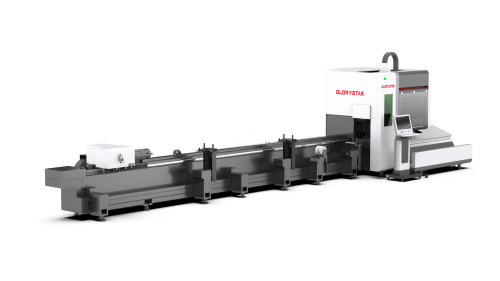
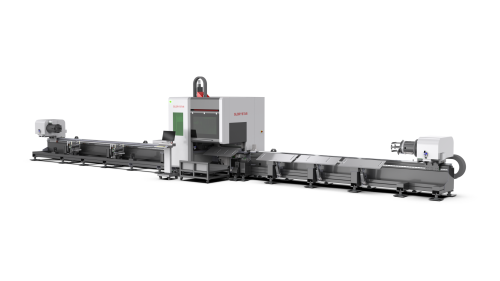
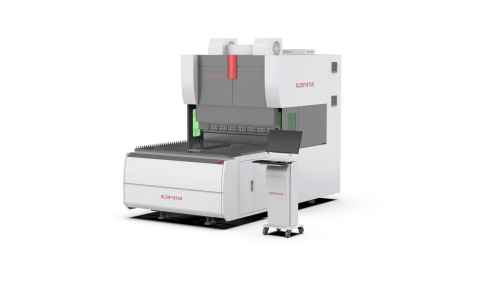
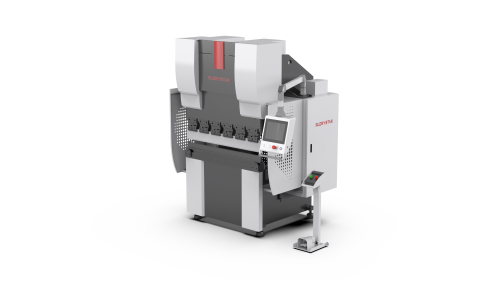
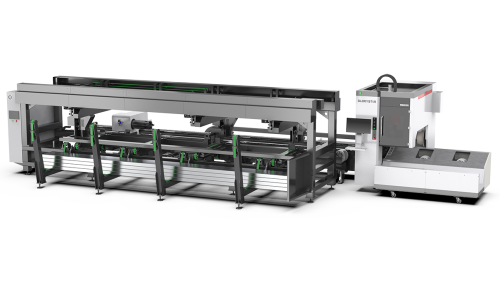
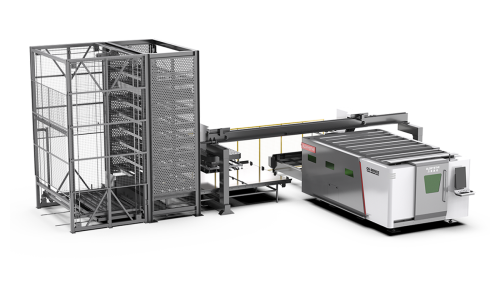
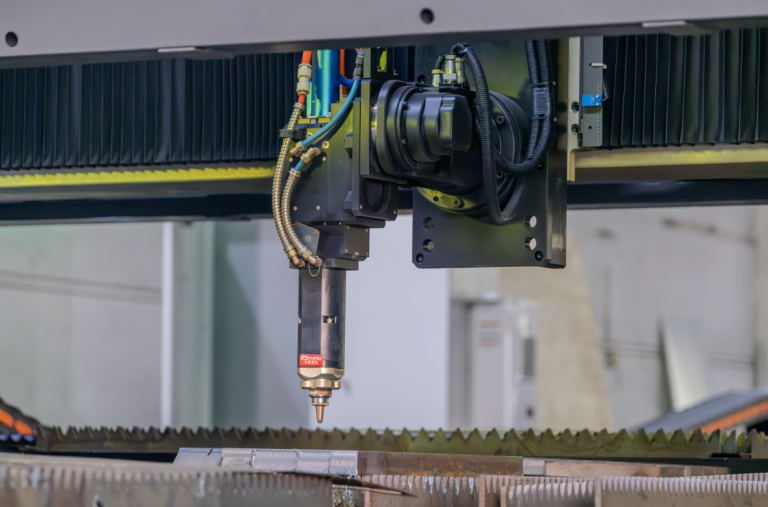
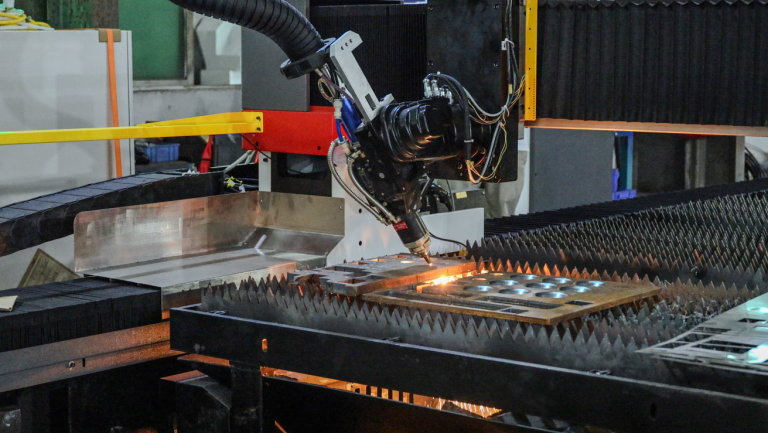
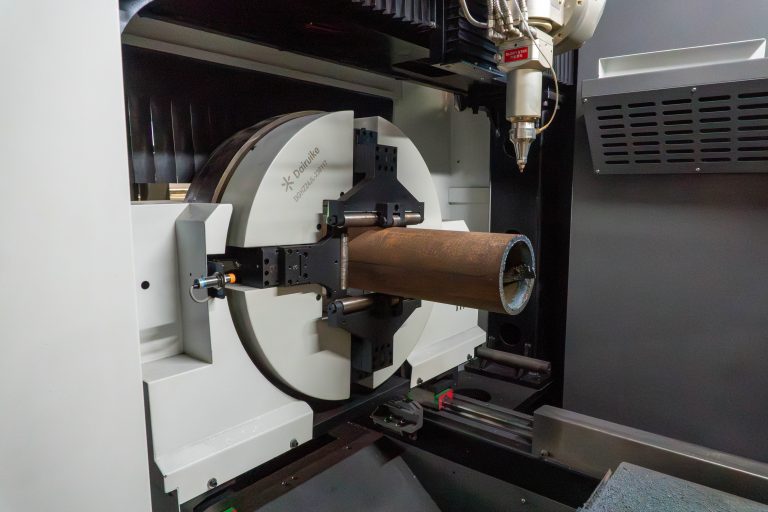
Laser cutting uses a powerful laser beam to focus on a material, making it melt, vaporize, or burn. A high-speed airflow then cuts through the molten material, shaping the workpiece. This makes it a widely adopted cutting method.
In laser cutting, a high-power laser is directed through optics using CNC. The laser beam or material is guided using these systems.
There are two types of laser cutting machines based on the laser generators: CO₂ and fiber laser machines.
Now, let’s briefly highlight the differences between fiber laser cutting machines and CO2 laser cutters to assist you in making the right purchase decision.
What is a fiber laser cutting machine and how does it work?
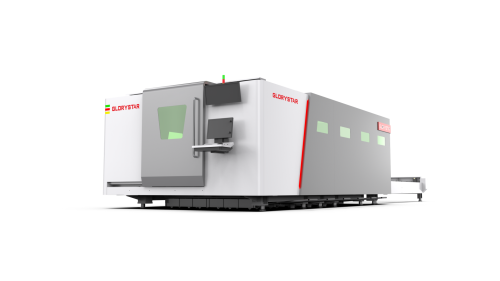
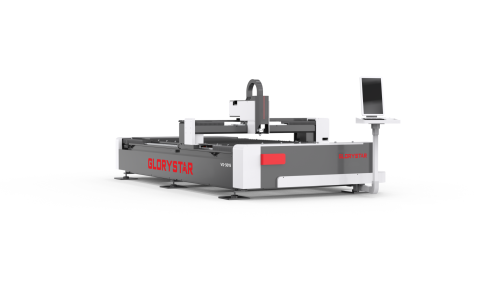
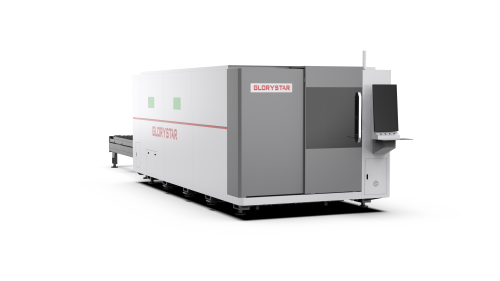
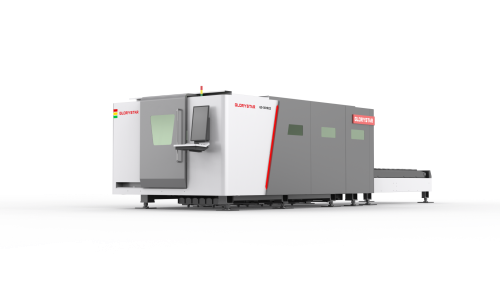
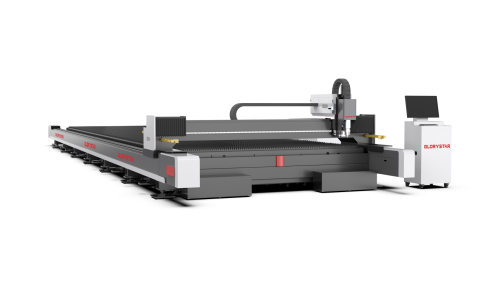
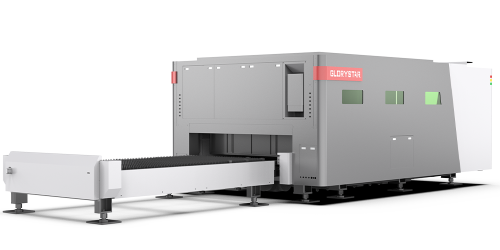
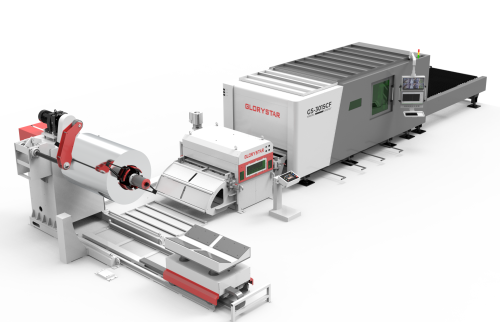
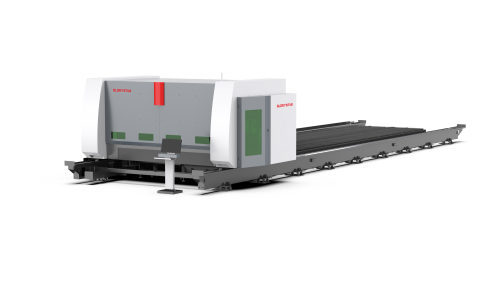
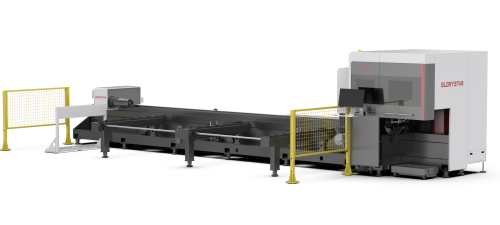
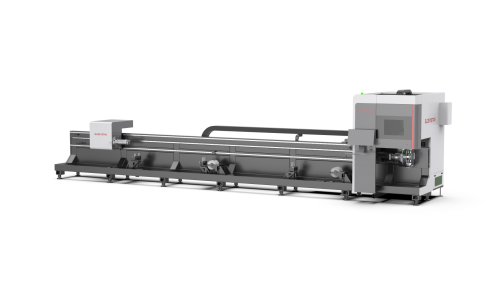
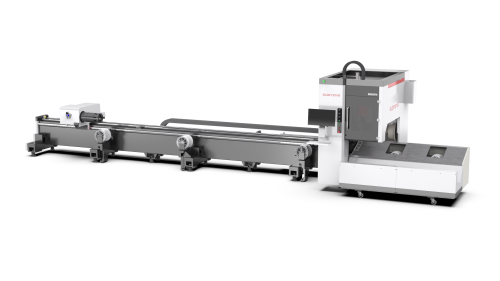
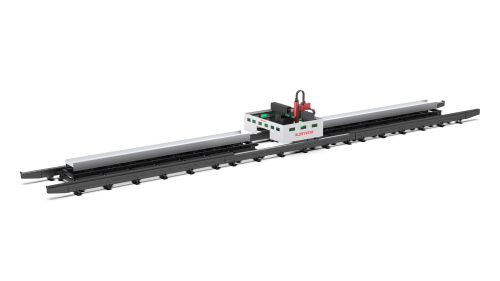
A fiber laser cutting machine utilizes a fiber laser generator as its light source. This modern type of laser produces a high-energy-density beam that concentrates on the workpiece’s surface. The machine can instantly melt and vaporize the targeted area using an ultra-fine focus spot. The spot’s position is controlled by a numerical control mechanical system, enabling automatic cutting.
What is a CO₂ laser cutter and how does it work?
A CO2 laser cutter employs a laser generator that relies on carbon dioxide gas as its active medium. In operation, the CO2 laser emits a laser beam with a wavelength around 10.6 micrometers. This high-powered laser beam is directed onto the workpiece’s surface, where it can rapidly melt and vaporize targeted areas. The cutting process achieves precision by actively manipulating the laser beam’s position.
What are the differences between fiber laser cutting machines and CO₂ laser cutters?
Luminescent Medium
Fiber lasers generate laser light by diode pumping and use flexible fiber optic cables to transmit the laser beam.
The CO2 laser generates laser light by exciting nitrogen and carbon dioxide gas in the cavity and then transmits the beam through a mirror.
Wavelength:
A fiber laser cutting machine operates in the near-infrared range (around 1 micrometer), while a CO₂ laser cutter operates in the infrared range (10.6 micrometers).
Precision:
A fiber laser cutting machine offers high precision and is well-suited for intricate designs and fine details. On the other hand, a CO2 laser cutter provides good precision and versatility for a variety of applications but may have limitations in fine detail compared to fiber lasers.
Operating Costs:
Fiber laser cutting machine generally has lower operating costs due to higher energy efficiency and reduced maintenance requirements. A CO₂ laser cutter may have slightly higher operating costs due to energy consumption and maintenance needs.
Cutting thickness:
CO₂ laser cutters are suitable for cutting non-metallic materials up to 3 mm and can even reach up to 20 mm in some cases. They work well for detailed cutting in small amounts, saving on mold costs. On the other hand, fiber laser cutting machines are better at cutting metals of different thicknesses, offering faster speeds and more precision. The choice depends on what material and thickness you need for your cutting task.
Initial Cost:
Unlike CO2 laser cutters, fiber laser machines usually have a higher initial cost.
Application Area:
The CO2 laser cutter excels in high-quality cutting of non-metallic materials like wood, acrylic, PP, and plexiglass. It's specifically designed for non-metal applications. Conversely, the fiber laser cutting machine is ideal for high-precision cutting of metal plates. Additionally, the mechanical arm of the fiber laser cutting machine can perform three-dimensional cutting, providing a more versatile option compared to the original imported five-axis laser.
For the processing of non-metallic materials, the CO2 laser cutter is a suitable choice. On the other hand, in the sheet metal processing industry, the fiber laser cutting machine emerges as the optimal selection for its precision and versatility.
Cutting Speed:
Fiber laser cutting machine generally offers higher cutting speeds, especially for metal materials. Compared to fiber lasers, a CO₂ laser cutter may have slightly slower cutting speeds, particularly for metal cutting.
Photoelectric Conversion Rate:
The CO2 laser cutter has a photoelectric conversion rate of only about 10%, while the fiber laser cutting machine has a conversion rate of 30%, which is more than three times higher. This higher conversion rate saves space and reduces gas consumption, making it more efficient.
Energy Efficiency:
A fiber laser cutting machine is more energy-efficient than CO₂ lasers, providing faster cutting speeds with reduced energy consumption.
Maintenance:
A fiber laser cutting machine usually needs less maintenance and lasts longer. In contrast, a CO2 laser cutter might need more frequent maintenance, like adding gas and adjusting alignment.
When deciding between a fiber laser cutting machine and a CO2 laser cutter, think about what you need, the materials you're cutting, and your budget. Fiber lasers are great for cutting metal fast and precisely. CO2 lasers work well on a wide range of materials.
To sum up, fiber lasers are best for speedy, precise metal cutting, while CO2 lasers are versatile for various materials. Your choice depends on what you're working on and the materials you use.
Interested in our fiber laser cutting machine? Feel free to visit our website and get more information.