Introduction: Laser Cutting Is Proven — So Why the Hesitation?
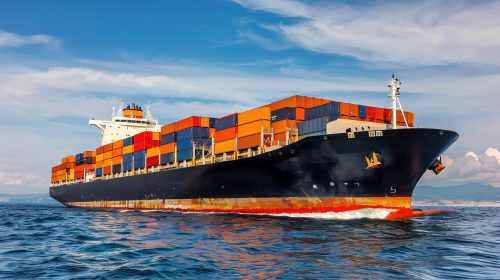
Laser cutting has already proven its value across multiple heavy industries. From automotive manufacturing to structural steel fabrication, it is widely recognized for its precision, efficiency, and ability to reduce long-term production costs. However, when it comes to laser cutting in shipbuilding, many shipyards still hesitate to fully adopt this technology.
This hesitation is not due to a lack of awareness. Most decision-makers already understand the advantages of laser cutting in shipbuilding. The real reasons lie in practical concerns related to cost, workforce adaptation, production reliability, and established workflows. Understanding these concerns is the first step toward making the right decision.
Barrier 1: The Focus on Upfront Cost Instead of Total Cost
The most immediate concern for many shipyards is the initial investment.
Compared to plasma or flame cutting systems, fiber laser machines require a higher upfront cost. For shipyards working with tight budgets and long project cycles, this can create hesitation. However, focusing only on the purchase price often leads to an incomplete evaluation.
In real production environments, cutting is only one part of the total cost. Labor for secondary processing, material waste caused by lower precision, time spent on grinding, and overall production speed all contribute to the final cost per part. Laser cutting reduces these hidden costs by improving accuracy, minimizing rework, and increasing throughput.
Over time, this shifts the cost structure. Instead of being seen as an expensive investment, laser cutting becomes a more efficient and cost-effective solution.
Barrier 2: Concerns About Operator Training and Skill Transition
Another major concern is whether existing workers can adapt to new technology.
Shipyards rely heavily on experienced operators who are familiar with traditional cutting methods. Introducing laser systems raises questions about training time, learning difficulty, and potential productivity loss during the transition period.
In practice, modern laser cutting machines are designed to be user-friendly. With intuitive control systems and higher levels of automation, operators can learn the basics much faster than expected. With proper training, most teams can achieve stable production in a short period of time.
In addition, reduced manual intervention means less dependence on highly specialized skills, which can help shipyards manage labor challenges more effectively.
Barrier 3: Misconceptions About Thick Plate Cutting Capability
Shipbuilding often involves cutting thick steel plates, sometimes exceeding 20 mm or even 30 mm. A common belief is that laser cutting is only suitable for thin materials.
This perception is outdated.
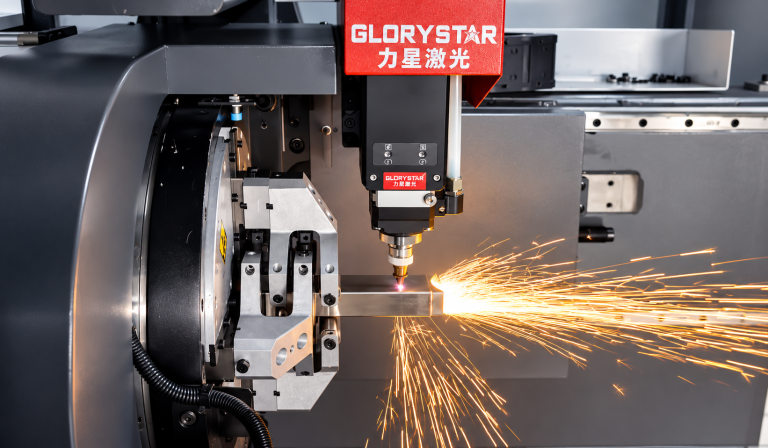
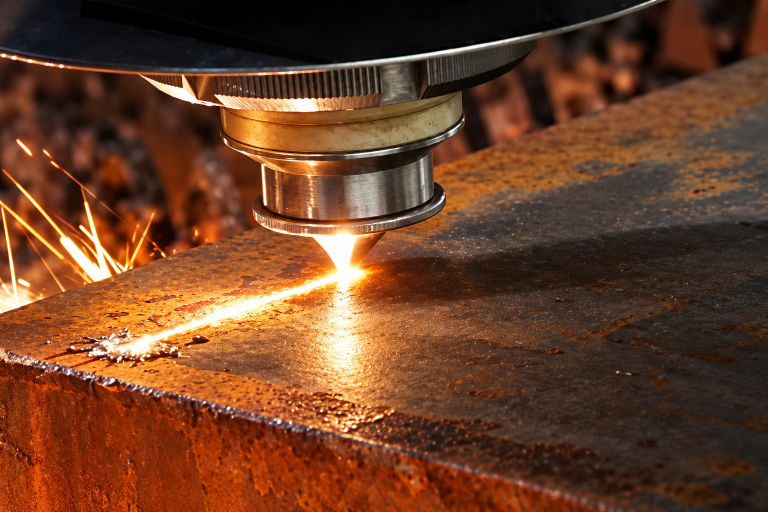
High-power fiber laser machines are now capable of processing thick marine steel with high precision. More importantly, they deliver cleaner edges, smaller heat-affected zones, and less deformation compared to traditional methods.
These improvements have a direct impact on downstream processes such as welding and assembly, reducing the need for additional processing and improving overall efficiency.
Barrier 4: Reliability Concerns in Heavy-Duty Environments
Shipyards operate in demanding environments where equipment must handle continuous production, heavy materials, and long working hours.
Because of this, reliability is a critical concern when considering new technology.
Modern laser cutting systems designed for industrial use are built to meet these challenges. Features such as heavy-duty machine structures, stable motion systems, and components designed for long operating cycles allow these machines to perform reliably under high workloads.
With proper configuration and maintenance, laser cutting systems can support continuous operation and deliver consistent performance.
Barrier 5: Resistance to Changing Established Workflows
In many cases, the biggest challenge is not technical—it is organizational.
Shipyards have long-established workflows based on traditional cutting methods. These processes are deeply integrated into production planning, material handling, and team coordination.
Adopting laser cutting is not just about replacing equipment. It often requires adjustments to production processes and internal coordination. Without a clear transition plan, this change can feel risky.
However, shipyards that take a gradual approach—starting with specific applications and expanding step by step—can integrate laser cutting more smoothly and reduce disruption.
How Shipyards Can Successfully Adopt Laser Cutting
To overcome these barriers, shipyards need a practical and structured approach.
First, evaluate total cost of ownership rather than focusing only on the initial investment. Long-term savings in labor, materials, and efficiency often outweigh the upfront cost.
Second, start with high-impact applications such as hull plate cutting or repetitive components where laser technology can deliver immediate value.
Third, invest in operator training early to ensure a smooth transition and stable production.
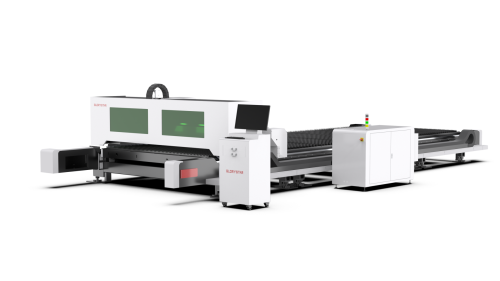
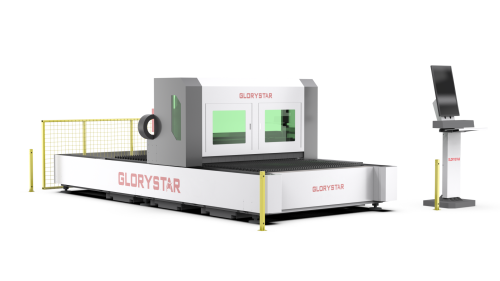
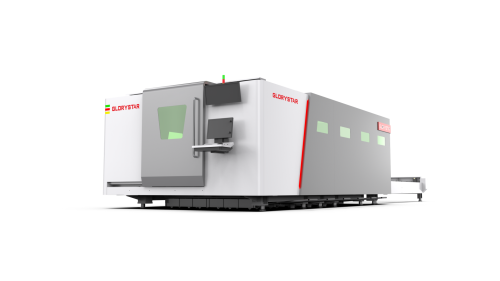
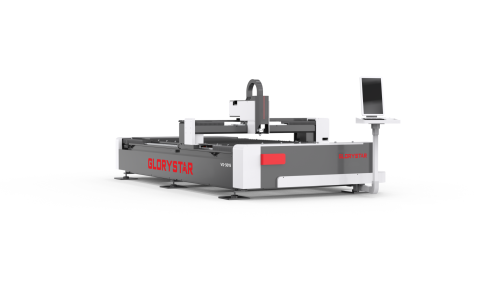
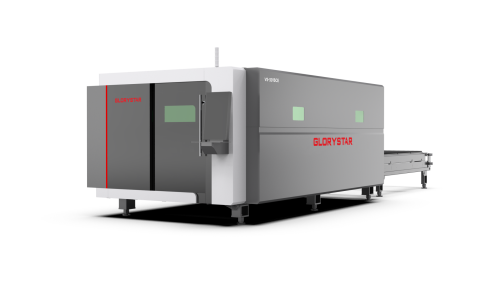
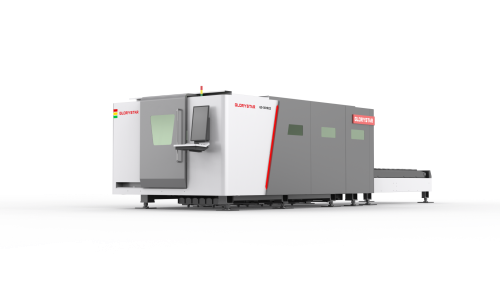
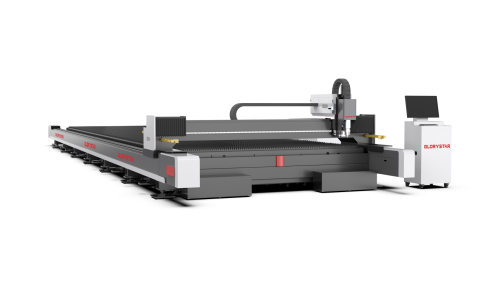
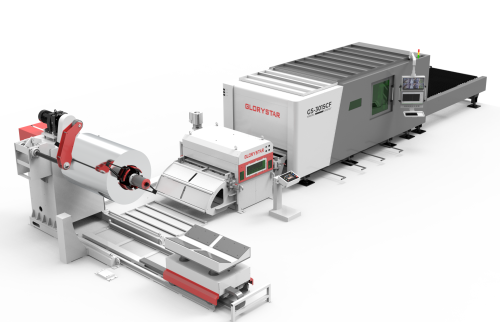
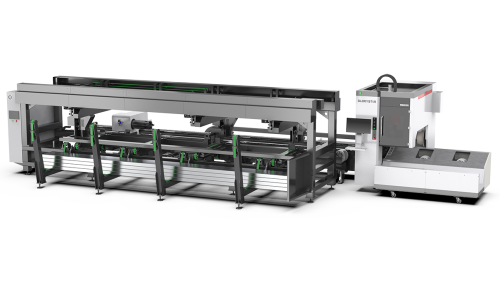
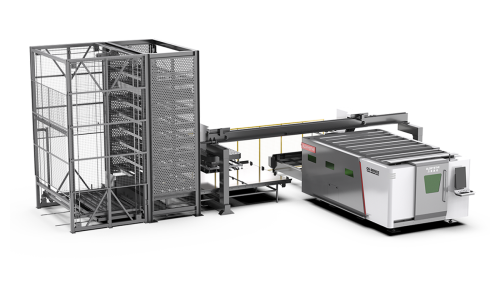
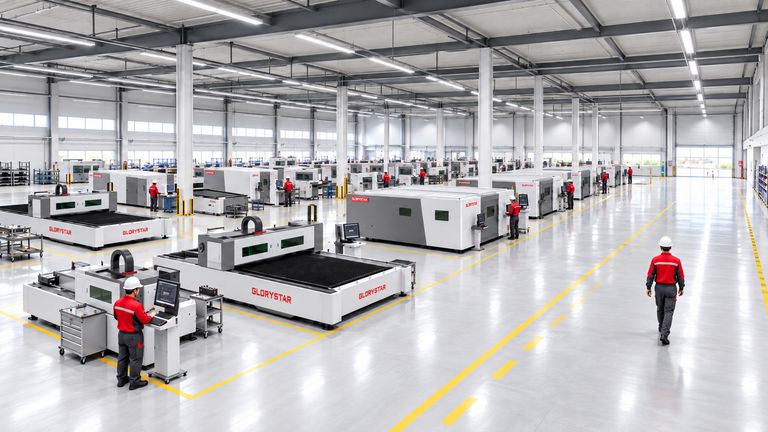
Finally, choose the right machine configuration. For shipbuilding, this typically includes large working areas for oversized plates, sufficient power for thick materials, bevel cutting capability for welding preparation, and automation options such as loading and unloading systems.
Conclusion: From Hesitation to Competitive Advantage
The hesitation to adopt laser cutting in shipbuilding is understandable. The concerns are real and based on practical experience.
However, the technology has advanced significantly. Today, laser cutting offers a reliable, efficient, and cost-effective solution for modern shipyards.
Those who overcome these barriers can achieve higher precision, reduced secondary processing, and improved production efficiency. In an increasingly competitive market, adopting advanced cutting technology is no longer just an option—it is a strategic step toward long-term growth.