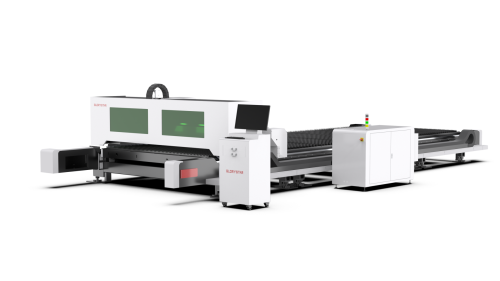
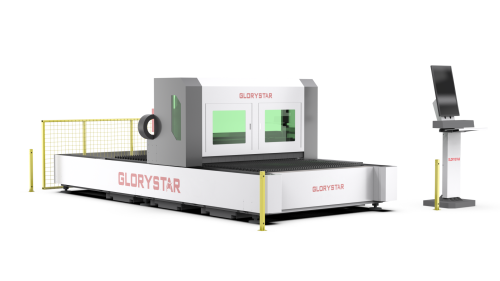
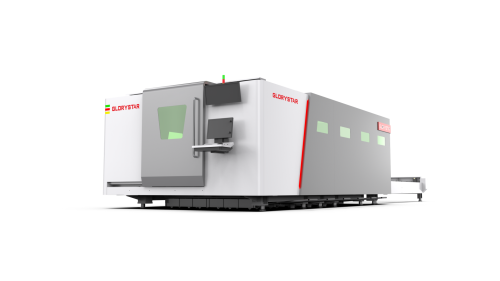
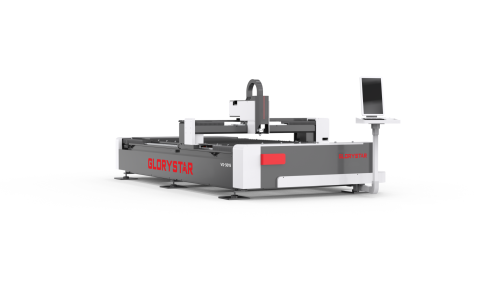
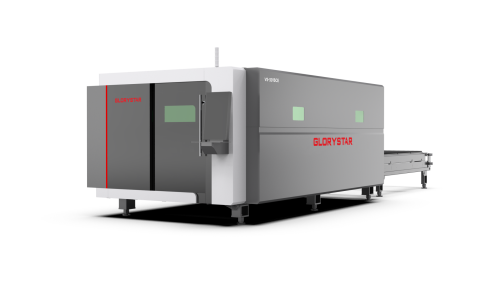
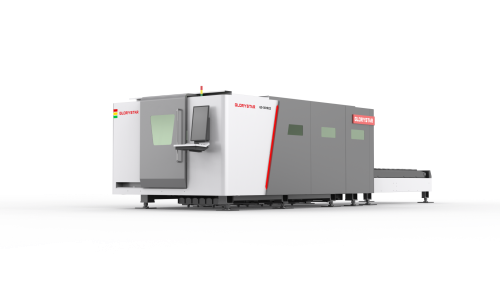
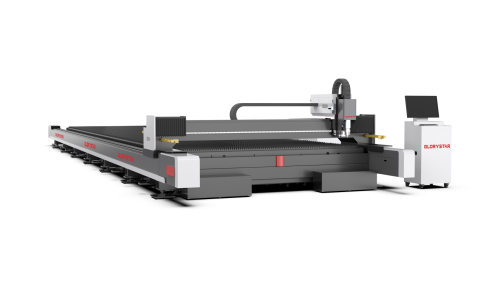
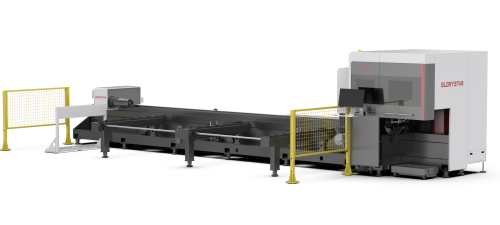
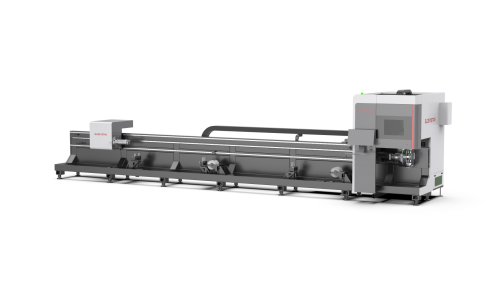
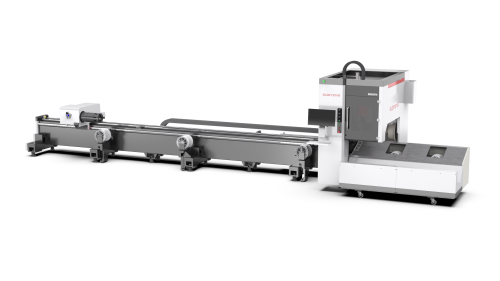
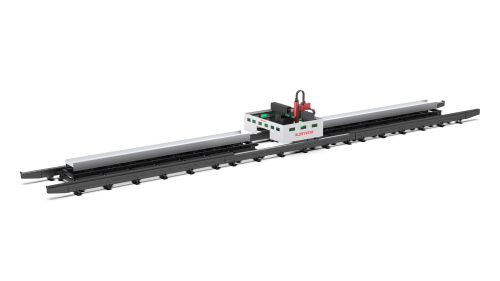
In modern shipbuilding, laser cutting ship steel is becoming an increasingly important solution for processing thick plates with high precision and efficiency. As shipyards handle large volumes of 20–30mm steel plates for hull structures, decks, and reinforcement components, the limitations of traditional cutting methods are becoming more apparent. This shift is driving the adoption of high-power fiber laser technology across the industry.
The Growing Demand for Thick Steel Processing in Shipbuilding
Shipbuilding is one of the most demanding sectors in heavy manufacturing. Steel plates used in this industry are not only thick but also require consistent quality to ensure structural integrity.
Typical applications include:
Hull structural plates
Deck components
Reinforcement ribs and frames
Bulkhead sections
Processing these materials presents several challenges. Thick plates require stable cutting performance, while maintaining tight tolerances is critical for downstream welding and assembly. At the same time, shipyards must meet strict production timelines, making efficiency just as important as quality.
Challenges in Cutting 20–30mm Ship Steel
When dealing with thick steel plates, manufacturers often face the following issues:
1. Heat Deformation
Traditional cutting methods generate large heat-affected zones, leading to material warping and reduced accuracy.
2. Surface Quality
Rough edges and slag adhesion increase the need for secondary processing such as grinding.
3. Low Efficiency
Slow cutting speeds, especially in flame cutting, can delay production schedules.
4. Limited Automation
Many conventional processes are difficult to integrate into automated production lines.
These challenges are pushing shipyards to explore more advanced solutions like laser cutting ship steel for improved performance.
High-Power Fiber Laser Performance on Thick Steel Plates
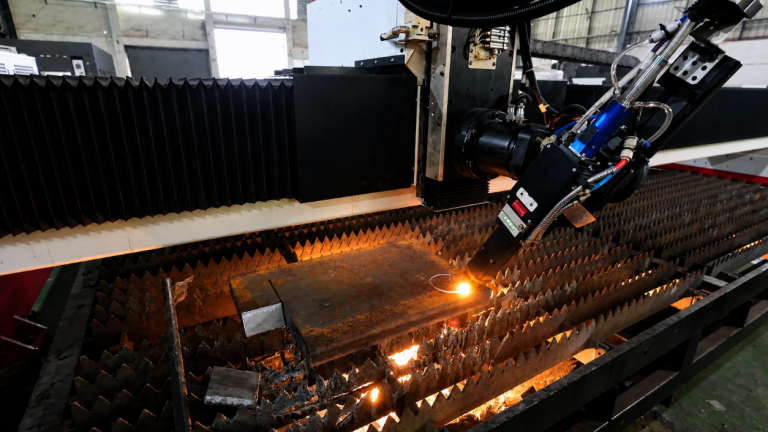
High-power fiber laser systems, especially in the range of 12kW to 30kW, have significantly improved the feasibility of cutting thick steel plates in shipbuilding.
Cutting Speed and Efficiency
Compared to traditional methods, fiber lasers offer much higher cutting speeds, even for 20–30mm carbon steel. This allows shipyards to increase throughput without compromising quality.
Cut Edge Quality
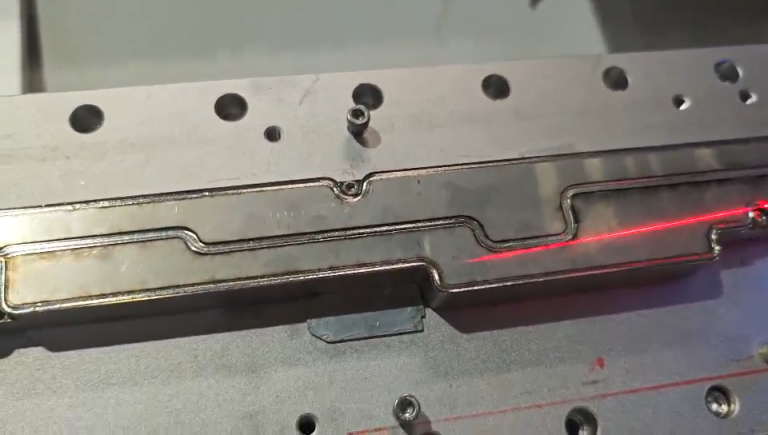
Laser cutting produces smoother edges with minimal slag, reducing or even eliminating the need for post-processing. This is a major advantage in large-scale production.
Precision and Consistency
With advanced CNC control systems, laser cutting ensures high repeatability and tight tolerances, which are essential for complex ship structures.
Reduced Heat-Affected Zone
The focused laser beam minimizes thermal impact, resulting in less deformation and better material stability.
These advantages make laser cutting ship steel a practical solution for modern shipyards aiming to improve both quality and productivity.
Comparison with Plasma and Flame Cutting
To fully understand the value of laser technology, it is important to compare it with traditional cutting methods.
Plasma Cutting
Plasma cutting is widely used for medium-thickness steel, but it has several limitations:
Lower precision
Rough cut surfaces
Larger heat-affected zones
Frequent need for secondary finishing
Flame Cutting
Flame cutting (oxy-fuel) is commonly used for thick plates but comes with drawbacks:
Slow cutting speed
Significant thermal deformation
Limited automation capability
Higher labor dependency
Laser Cutting Advantage
In comparison, laser cutting ship steel offers:
Higher precision
Cleaner cuts
Faster processing speed
Better compatibility with automated systems
This makes it a more efficient and cost-effective option in the long run.
Application Case: Improving Efficiency in Ship Plate Processing
In a typical shipyard scenario, a manufacturer processing 25mm carbon steel plates faced bottlenecks due to slow cutting speeds and excessive post-processing.
After introducing a high-power fiber laser system:
Cutting speed increased significantly
Edge quality improved, reducing grinding time
Labor costs decreased due to automation
Overall production efficiency improved
This type of transformation highlights how laser cutting ship steel can directly impact operational performance and cost control.
Integration with Automated Production Lines
Another key advantage of fiber laser technology is its compatibility with automation.
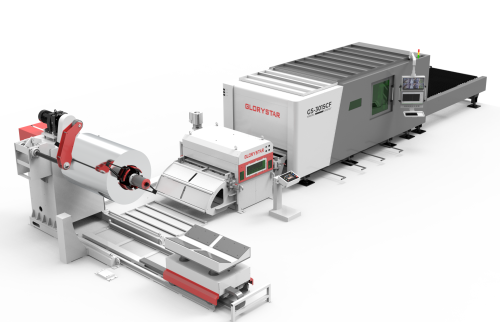
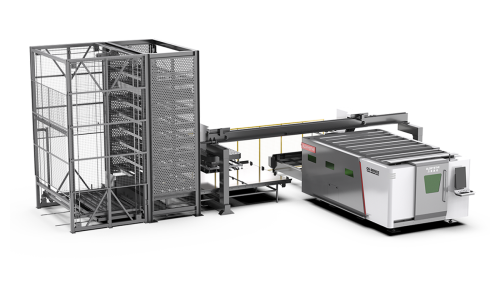
Modern laser cutting systems can be integrated with:
Automatic loading and unloading systems
Material storage systems
Production management software
This allows shipyards to move toward smarter manufacturing processes, improving efficiency and reducing human error.
Future Trends in Shipbuilding Steel Processing
As the shipbuilding industry continues to evolve, several trends are shaping the future of steel processing:
Adoption of higher power laser systems for thicker materials
Increased use of automation and robotics
Integration with digital manufacturing systems (Shipyard 4.0)
Demand for higher precision and lower production costs
In this context, laser cutting ship steel is expected to play a central role in the transformation of modern shipyards.
Conclusion
Processing thick steel plates has always been a critical challenge in shipbuilding. However, with the advancement of high-power fiber laser technology, manufacturers now have access to a more efficient and precise solution.
By improving cutting quality, reducing thermal deformation, and enabling automation, laser technology is redefining how ship steel is processed. For shipyards looking to enhance productivity and stay competitive, adopting advanced laser cutting solutions is no longer optional—it is a strategic necessity.