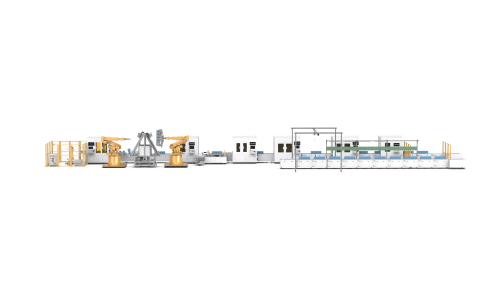
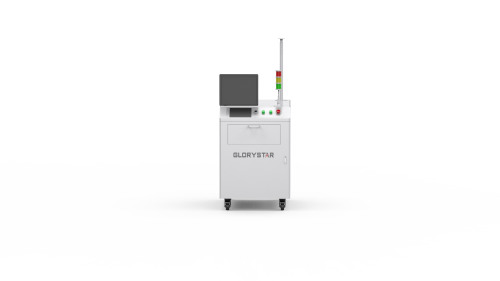
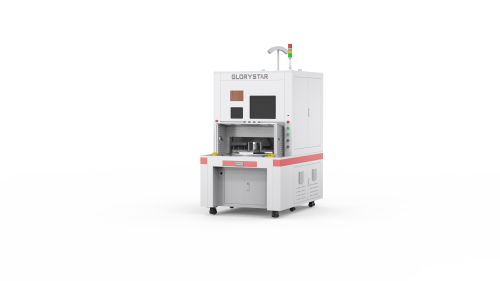
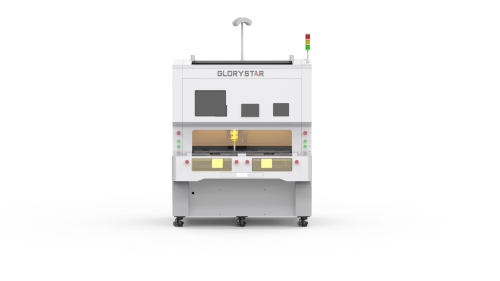
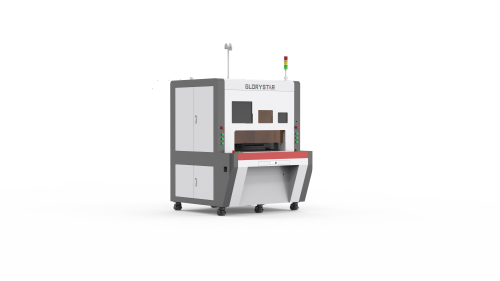
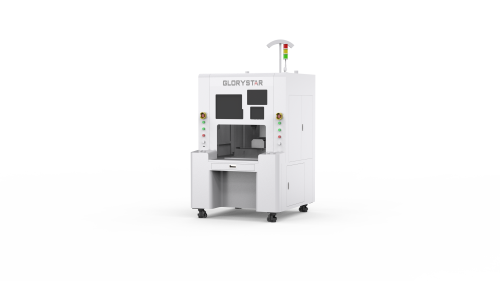
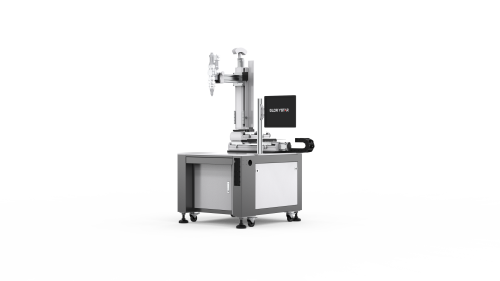
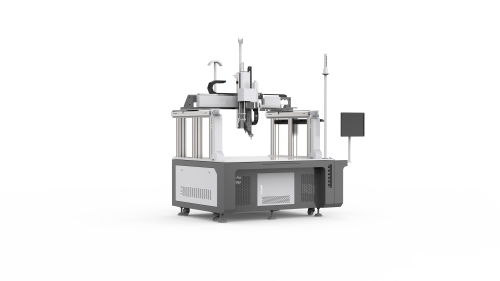
As liquid cooling technology continues to expand across data centers, servers, energy storage systems, and electric vehicles (EVs), the demand for high-quality manifold manufacturing is growing rapidly. As a result, more manufacturers are investing in a manifold welding machine to improve welding quality and production efficiency.
However, purchasing a manifold welding machine involves much more than comparing prices, laser power, or welding speed. The real question is whether the equipment can match your product design and consistently deliver the sealing performance, mechanical strength, and production stability required for large-scale manufacturing.
This guide explains the key factors manufacturers should consider before investing in a manifold welding machine.
Understand Whether the Manifold Welding Machine Fits Your Product Design
Every liquid cooling manifold is designed differently. Depending on the application, manifolds may vary in material, dimensions, wall thickness, and connection layout.
Some products have numerous ports, while others feature long structures, multiple angled joints, or complex pipe connections. In many cases, manufacturers also need one manifold welding machine that can accommodate multiple product models without extensive equipment changes.
Before selecting equipment, it is important to evaluate the following factors:
What material is the manifold made from?
What is the wall thickness?
How many ports require welding?
Is the port layout complicated?
Are there multiple welding angles?
Is fixture positioning simple and accurate?
Does the machine need to support different manifold models?
What is the required daily production capacity?
Choosing a manifold welding machine that matches the actual workpiece design helps improve production stability and reduces future manufacturing challenges.
Focus on Sealing Performance and Strength, Not Just Weld Appearance
A clean weld seam is certainly desirable, but appearance alone does not determine product quality.
For liquid cooling systems, airtightness, pressure resistance, and mechanical strength are far more important than cosmetic appearance. Even if a weld looks smooth, insufficient penetration can still result in incomplete fusion or coolant leakage during operation.
When evaluating a manifold welding machine, manufacturers should carefully verify the following during sample testing:
Whether the weld seam is uniform
Whether there are missed welds or incomplete fusion
Whether penetration depth remains consistent
Whether the welded joints experience deformation
Whether tensile strength meets production requirements
Whether airtightness test results remain stable
Whether pressure resistance satisfies product specifications
Whether excessive grinding or finishing is required after welding
A reliable manifold welding machine should consistently produce welds that meet both appearance and performance requirements.
Production Stability Is More Important Than a Single Successful Sample
A machine that performs well during sample testing may not necessarily deliver the same results during continuous production.
During mass manufacturing, unstable welding parameters or excessive dependence on operator experience can easily lead to inconsistent product quality between batches. This not only increases production costs but also affects delivery schedules and customer satisfaction.
A stable manifold welding machine helps manufacturers:
Reduce manual influence during production
Improve weld consistency
Lower airtightness inspection failure rates
Minimize rework and material waste
Shorten production cycles
Increase overall manufacturing efficiency
For manufacturers planning long-term production, stability is often more valuable than achieving one perfect sample.
Why Is Laser Welding Ideal for Manifold Manufacturing?
Compared with traditional welding methods, laser welding offers significant advantages for manufacturing liquid cooling manifolds.
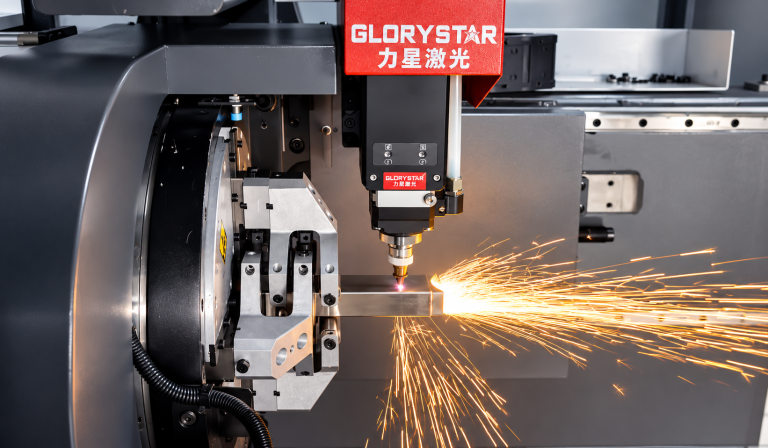
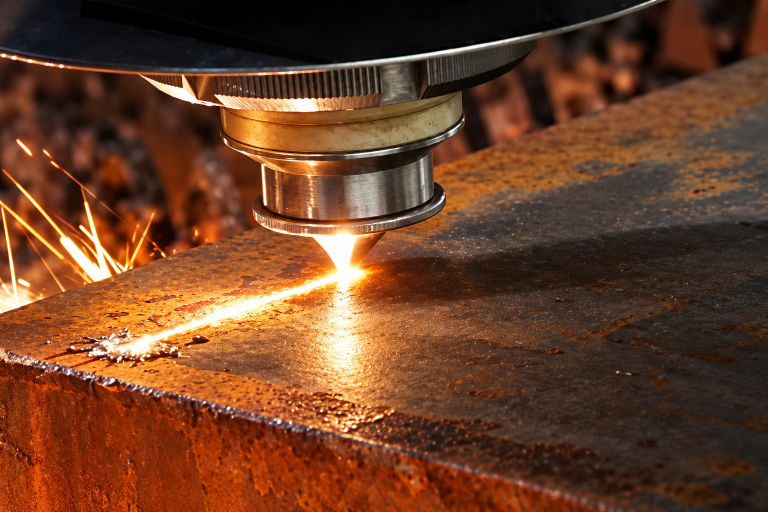
Glorystar's manifold welding machine utilizes a precision laser welding process with highly concentrated laser energy and a relatively small heat-affected zone. This allows manufacturers to reduce thermal deformation, particularly when welding manifolds with multiple ports and complex structural designs.
By optimizing laser power, welding speed, and welding paths according to different product requirements, the equipment helps improve weld continuity and maintain stable penetration depth. It also reduces the risks of incomplete fusion, missed welds, and local burn-through.
After welding, the finished joints are typically cleaner and more uniform, requiring less grinding and manual finishing. This enables manufacturers to improve efficiency while maintaining consistent product quality.
Evaluate the Supplier's Process Support Capabilities
Liquid cooling products continue to evolve, and different manufacturers often have unique production requirements.
For this reason, selecting a manifold welding machine should involve more than evaluating the equipment itself. An experienced supplier should also provide sample welding, process optimization, and application support to ensure the machine performs well with your specific products.
Glorystar provides customized welding solutions based on each customer's manifold material, dimensions, wall thickness, number of ports, and sealing requirements. Through sample testing and technical evaluation, our engineering team helps customers identify the most suitable welding process before production begins.
This level of engineering support reduces implementation risks and helps manufacturers achieve stable production more quickly.
Final Thoughts
Purchasing a manifold welding machine is not simply about adding another piece of equipment to your factory. It is about investing in a complete welding solution that supports higher production quality, lower operating costs, and more reliable product delivery.
By carefully evaluating product compatibility, weld quality, production stability, and supplier expertise, manufacturers can select a manifold welding machine that delivers long-term value for liquid cooling applications.
As the demand for liquid cooling systems continues to grow, choosing the right welding solution today will help manufacturers improve competitiveness, increase production efficiency, and build greater confidence in every product they deliver.