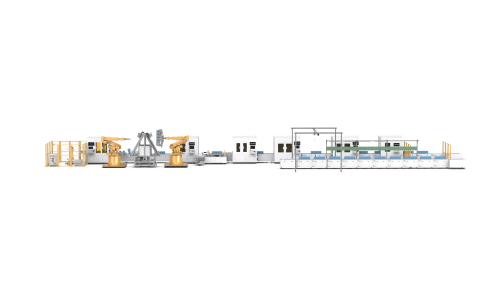
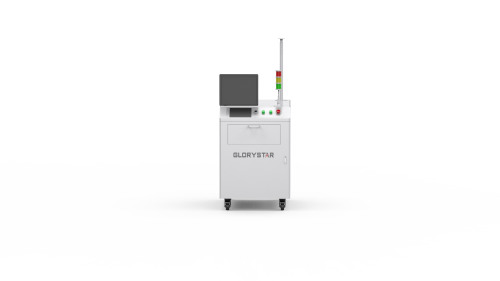
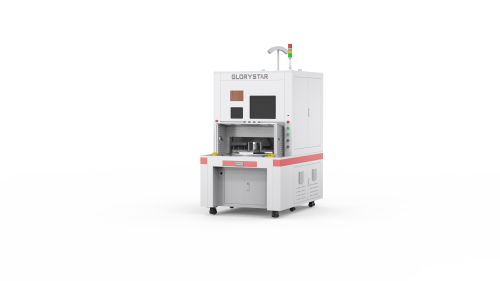
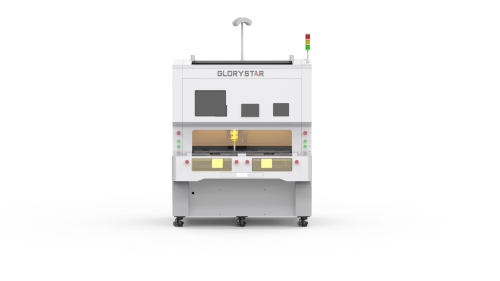
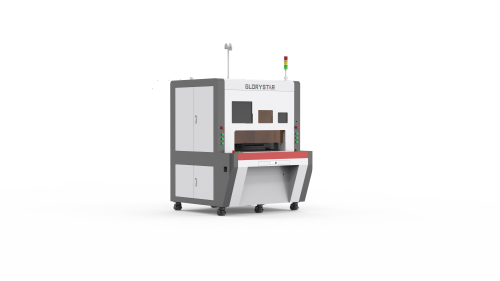
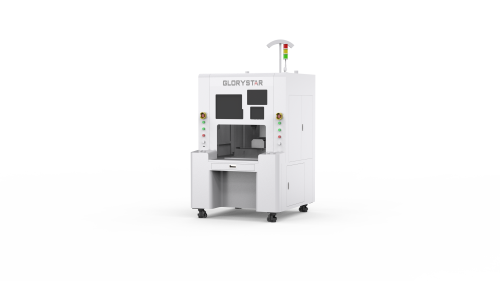
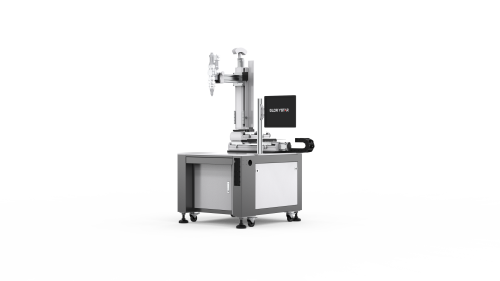
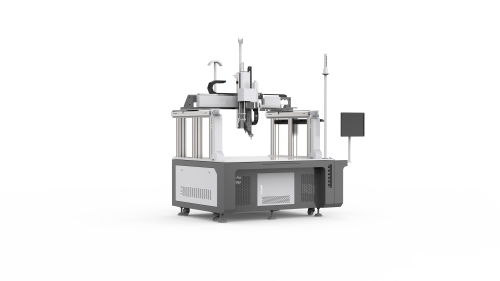
A liquid cooling plate may look relatively simple from the outside, but its welding process can become increasingly demanding as production volume grows. A Liquid Cooling Welding System can help manufacturers address the challenges of long sealing seams, thin metal sheets, cooling channels, and strict leak-tightness requirements while maintaining consistent welding quality and production efficiency.
For a few prototypes, manual welding may be practical. But when manufacturers begin producing liquid cooling plates in larger quantities, the question changes from “Can we weld it?” to “Can we weld every plate consistently and efficiently?”
This is where the choice between manual welding and an automated Liquid Cooling Welding System becomes important.
The Production Challenge Behind Liquid Cooling Plate Welding
Liquid cooling plates are designed to transfer heat efficiently while circulating coolant through internal channels. To achieve reliable performance, the welded structure needs to maintain mechanical strength and sealing integrity.
In production, however, maintaining these requirements across hundreds or thousands of workpieces is not always easy.
A long welding seam may require consistent travel speed and heat input from beginning to end. Thin plates can also be sensitive to excessive heat, which may cause deformation. At the same time, even small variations in positioning or welding parameters can affect the final result.
When these operations are performed manually, the operator becomes an important part of the production process. As production increases, this dependence can become a bottleneck.
When Manual Welding Stops Being Enough
Manual welding has a clear advantage during the early stages of production. When manufacturers are developing a new liquid cooling plate, producing prototypes, or handling frequently changing designs, operators can quickly adjust the process according to different workpieces.
The situation changes when production becomes repetitive.
Imagine a manufacturer producing the same liquid cooling plate throughout an entire shift. The operator must repeatedly position the workpiece, maintain the welding path, control welding speed, and monitor the weld.
The first few pieces may be consistent. After hours of repetitive work, however, maintaining exactly the same process becomes more difficult.
This does not make manual welding unsuitable. Instead, it creates a natural point where manufacturers need to consider whether the process should become more standardized.
What Changes When Welding Becomes Automated?
Automation changes the role of the operator.
Instead of relying on the operator to control every welding movement, an automated system can use programmed parameters and predefined welding paths to repeat the same process.
A typical production cycle may involve:
Workpiece Loading → Positioning → Fixturing → Laser Welding → Inspection → Unloading
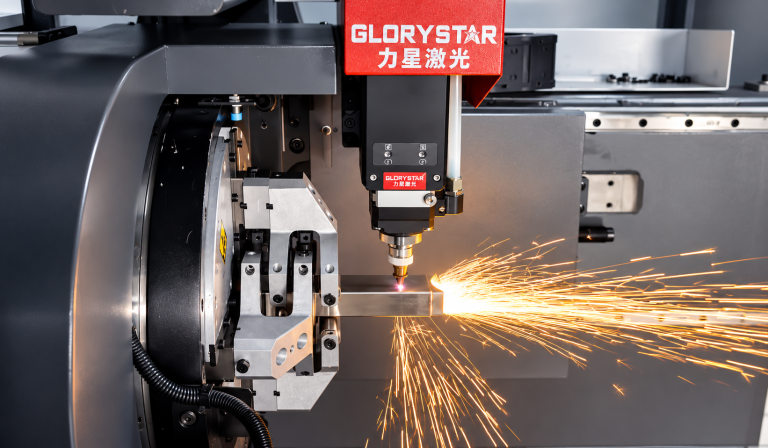
The workpiece is positioned using a dedicated fixture. Once the welding process starts, the equipment follows the programmed path and applies the specified welding parameters.
This approach reduces variations caused by manual operation and makes it easier to reproduce the same process across multiple workpieces.
For liquid cooling plates, this repeatability can be particularly valuable because many products require long and continuous sealing welds.
The Real Difference Is Not Just Welding Speed
It is easy to describe automation simply as a way to increase production speed. For liquid cooling plate manufacturing, however, the bigger advantage can be process consistency.
An automated system can help maintain:
Consistent welding paths
Repeatable welding speed
Stable laser parameters
Accurate workpiece positioning
Consistent clamping conditions
Repeatable production cycles
This means manufacturers are not simply producing plates faster. They are creating a more standardized manufacturing process.
For products where sealing performance is critical, this difference can have a direct impact on production yield and quality control.
What Does a Liquid Cooling Welding System Actually Include?
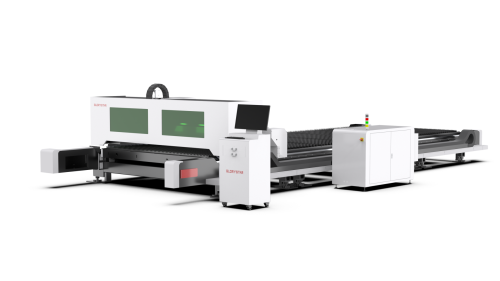
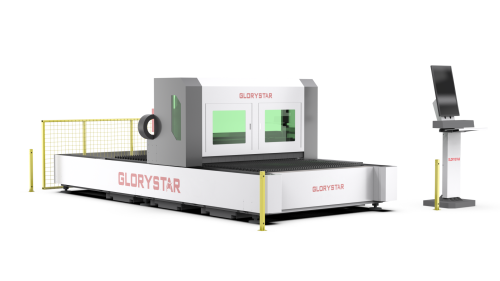
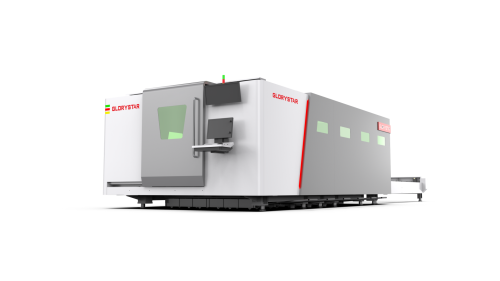
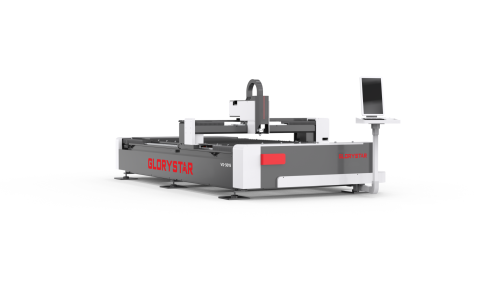
An automated Liquid Cooling Welding System is more than a laser welding source.
Depending on the production requirements, a complete system may integrate several components.
Laser Welding Source
The laser provides concentrated energy for the welding process. The appropriate configuration depends on the material, thickness, joint design, and required penetration.
Welding Head and Motion System
The welding head and motion system control the position and movement of the laser during welding. This is particularly important when liquid cooling plates contain long, curved, or complex welding paths.
Dedicated Fixture
A suitable fixture holds the liquid cooling plate in the correct position during welding. Proper fixturing helps improve repeatability and can help control movement and deformation.
Control System
The control system allows operators to set and recall welding parameters and paths. This makes the production process easier to standardize when the same product needs to be manufactured repeatedly.
Automation Integration
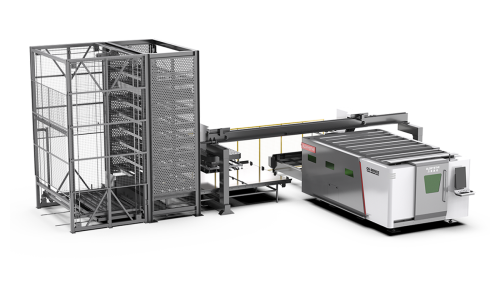
For higher production volumes, the welding process can be integrated with automatic loading and unloading, material handling, inspection, and other production-line functions.
This is why the right solution should not be evaluated only as a welding machine. It should be considered as part of the manufacturer's entire production process.
Which Solution Fits Your Production Stage?
Not every manufacturer needs the same level of automation.
For prototype production, manual welding can provide the flexibility needed to test different designs and welding processes.
For small-batch production, semi-automated equipment can provide a balance between flexibility and repeatability.
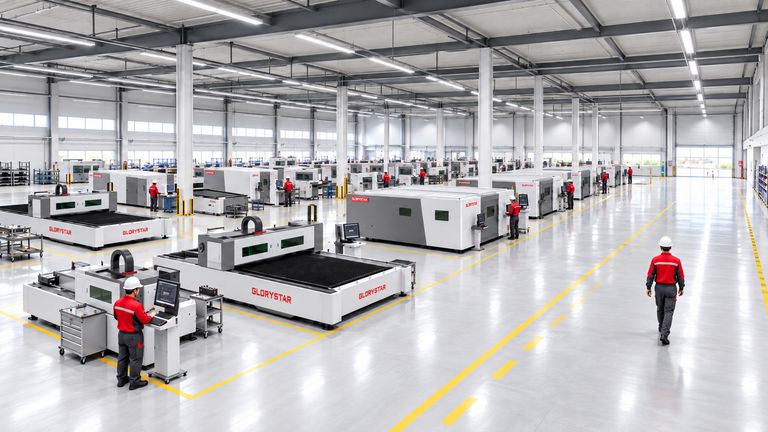
For mass production, a fully automated Liquid Cooling Welding System can help manufacturers standardize the welding process and reduce dependence on manual operation.
The important point is to match the automation level with actual production requirements rather than simply choosing the most automated solution available.
From Welding Equipment to a Production Solution
For liquid cooling plate manufacturers, purchasing a welding machine is only one part of the decision.
The equipment also needs to work with the actual product.
Workpiece dimensions, material, plate thickness, welding path, fixture design, production volume, and required automation level should all be considered when developing the welding solution.
This is particularly important for liquid cooling applications because different cooling plate designs can require different welding paths and fixtures.
A customized Liquid Cooling Welding System can therefore provide a more practical solution than a standard machine with limited configuration options.
For manufacturers producing cooling components for EV batteries, energy storage systems, data centers, and industrial equipment, laser welding can be integrated into a production process designed around their specific products.
Is It Time to Move to Automated Welding?
There is no single production volume at which every manufacturer must switch to automation.
Instead, several signs can indicate that the time may be right:
Your production volume is increasing.
More orders mean that manual welding consumes more labor hours.
Welding has become a production bottleneck.
Other manufacturing processes are faster, but welding limits overall output.
Quality varies between operators.
Different operators may produce different welding results.
The product requires repetitive long seams.
Repeated manual movement becomes increasingly difficult to maintain consistently.
You need more standardized production.
A programmable process makes it easier to reproduce the same welding procedure.
When several of these conditions appear at the same time, investing in an automated welding solution can become a logical step in production development.
Building a More Consistent Liquid Cooling Plate Production Process
The goal of automation is not simply to remove manual welding. It is to create a production process that is more repeatable, controllable, and scalable.
A well-configured Liquid Cooling Welding System can combine laser welding, precision positioning, dedicated fixturing, programmable parameters, and automation according to the manufacturer's requirements.
For companies moving from prototypes toward larger-scale liquid cooling plate production, this approach can help bridge the gap between flexible manual welding and standardized mass manufacturing.
The right solution ultimately depends on the product and production goals. By evaluating the liquid cooling plate design, material, thickness, welding path, output requirements, and desired automation level, manufacturers can select a welding solution that is better suited to both current production and future expansion.
If you are looking for a Liquid Cooling Welding System for your liquid cooling plate production, Glorystar Laser can develop a customized laser welding solution based on your workpiece and production requirements.