Introduction
In recent years, more manufacturers, entrepreneurs, and workshop owners have started looking into the laser cutting industry, largely driven by the potential for strong laser cutting business profit. The technology offers high precision, fast processing speed, and the flexibility to handle a wide range of materials and designs. These advantages make it an attractive option for both new businesses and traditional factories considering an upgrade.
However, before entering this field, one key question always icomes up: is Laser Cutting Business Profit Still Strong in 2026?
The answer is not straightforward. While the industry still presents strong opportunities, profitability depends heavily on how the business is managed. Factors such as market demand, machine selection, operational efficiency, and customer base all play a critical role. In this article, we’ll take a realistic look at what determines success in the laser cutting business today.
Market Demand in 2026
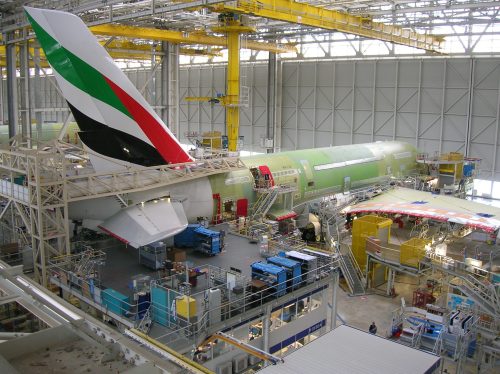
Laser cutting continues to play an important role across multiple industries, including construction, automotive, metal fabrication, agricultural machinery, and heavy equipment manufacturing. As production trends shift toward customization and shorter production cycles, laser cutting has become increasingly valuable due to its flexibility and precision.
Many companies now prefer outsourcing cutting processes rather than investing in their own equipment. This creates opportunities for service providers who can deliver consistent quality and fast turnaround times.
At the same time, the growing popularity of laser technology means that more businesses are entering the market. This increased competition can lead to price pressure, especially in regions where similar services are widely available.
Overall, demand is still strong, but laser cutting business profit today depends more on specialization and service quality than ever before.
Startup Cost and Initial Investment
Starting a laser cutting business requires a significant initial investment. The largest portion typically goes into purchasing the machine itself, but there are also other important costs to consider.
These may include workshop setup, electrical infrastructure, labor, and supporting equipment such as air compressors and dust collection systems. In addition, ongoing expenses like maintenance and consumables should not be overlooked.
One common mistake is focusing only on the machine price without considering the total cost of operation. A well-balanced investment plan should match your production needs, target market, and expected order volume.
Choosing the right equipment is especially important. A machine that is too small may limit your capacity, while one that is too large may lead to unnecessary financial pressure if your workload cannot fully utilize it.
How Laser Cutting Businesses Generate Profit
Laser cutting businesses typically earn revenue through several common models. Some charge based on cutting length or processing time, while others focus on contract manufacturing for specific industries.
In many cases, businesses that offer additional services—such as bending, welding, or assembly—can achieve higher profitability. This is because they provide more value to customers and reduce the need for outsourcing additional steps.
However, one important reality stands out:
consistent and stable orders are far more important than pricing alone.
Even a high-performance machine cannot generate profit if it is not running regularly. On the other hand, a well-managed operation with steady demand can achieve strong returns over time.
Understanding Laser Cutting Business Profit
To better understand laser cutting business profit, it’s important to look at the overall cost structure. Typical operating costs include electricity consumption, assist gases, labor, maintenance, and machine depreciation.
Profit margins can vary widely depending on the type of work. Basic cutting services often face stronger competition and lower margins, while specialized applications—such as thick materials, high-precision parts, or complex designs—tend to offer better returns.
Another important factor is efficiency. Businesses that optimize their workflow, reduce material waste, and minimize downtime are more likely to maintain healthy profit levels.
Rather than focusing only on pricing, successful operators pay close attention to process optimization and long-term customer relationships.
Key Factors That Affect Profitability
Not every laser cutting business achieves the same results. The difference often comes down to a few key factors:
1. Order Stability
A steady flow of work is essential. Businesses with long-term clients or contracts are generally more profitable than those relying on occasional orders.
2. Machine Selection
Choosing the right machine for your target market is critical. Higher power and advanced features can improve efficiency, but only if they match your production needs.
3. Operational Efficiency
Efficient nesting, reduced setup time, and skilled operation can significantly improve output and reduce costs.
4. Level of Automation
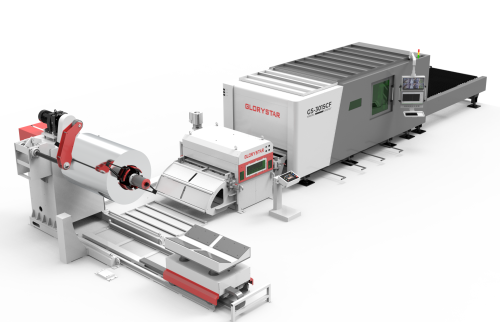
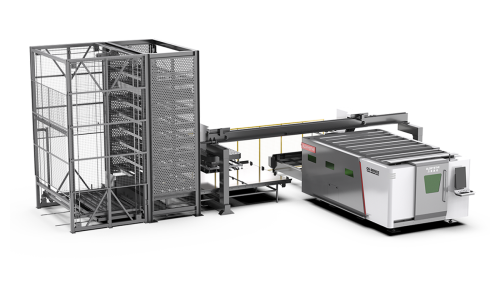
Automation features such as automatic loading and unloading can increase productivity and reduce reliance on manual labor, especially in larger-scale operations.
5. Market Positioning
Focusing on a specific niche or industry can help avoid direct price competition and improve profitability.
Is Laser Cutting Business Still Profitable in 2026?
So, is laser cutting business profit still worth it?
The honest answer is:
Yes, if you have a clear market, stable customers, and efficient operations.
No, if you rely only on low pricing without differentiation.
The industry is no longer in an early growth phase where profits come easily. Today, success depends on strategy, positioning, and execution.
Businesses that focus on quality, efficiency, and long-term relationships are more likely to succeed, while those competing only on price may struggle.
Final Thoughts
Entering the laser cutting industry in 2026 can still be a smart decision, but it requires careful planning and realistic expectations. Instead of chasing short-term gains, successful businesses focus on building a stable customer base and optimizing their operations.
In the end, laser cutting business profit is not determined by the machine alone, but by how effectively the business is run.
For those who approach it with the right strategy, it remains a viable and potentially rewarding opportunity in today’s manufacturing landscape.