Introduction
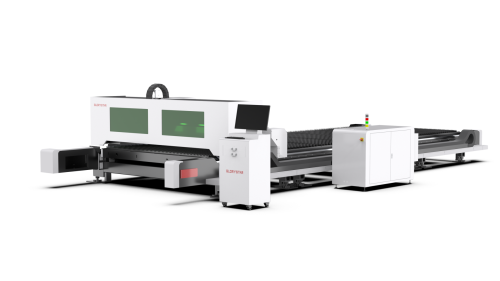
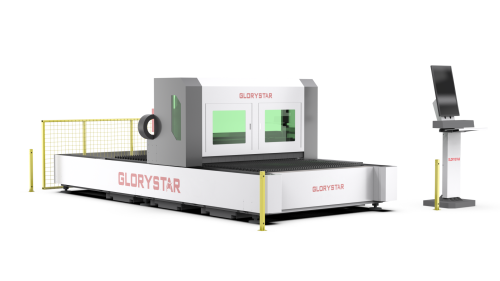
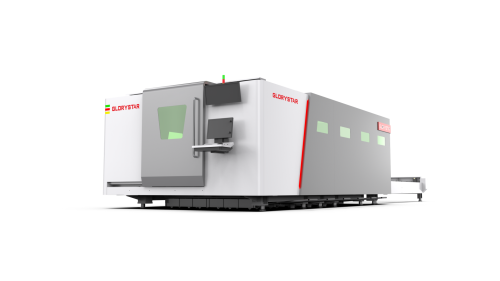
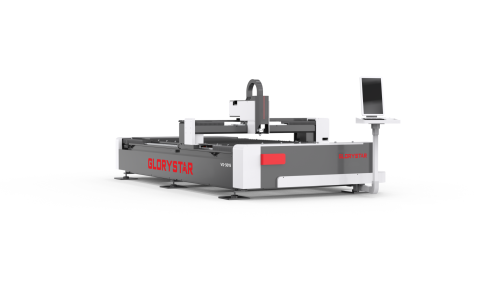
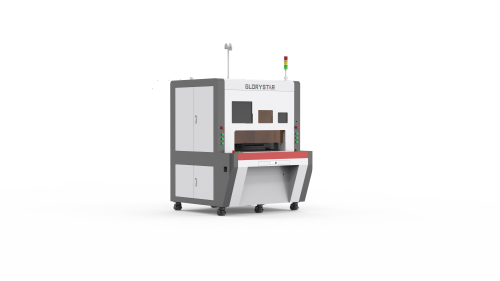
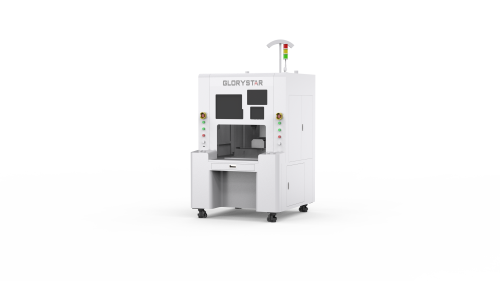
With the rapid growth of artificial intelligence (AI), high-performance computing (HPC), electric vehicles (EVs), and energy storage systems, thermal management has become a critical challenge for modern industries. As computing power and energy density continue to increase, traditional air cooling solutions are gradually reaching their limits, driving the rapid adoption of liquid cooling technology. To meet the growing demand for reliable liquid cooling components, manufacturers are increasingly investing in advanced solutions such as a liquid cooling welding machine to achieve higher welding precision, better sealing performance, and improved production efficiency.
Especially in AI data centers, higher-performance chips require more efficient cooling solutions. Leading technology companies are accelerating the development of liquid cooling infrastructure to support next-generation computing systems. This trend is creating growing demand for high-precision manufacturing equipment for liquid cooling components, including cooling plates, manifolds, and other thermal management parts.
As a result, many manufacturers are asking an important question: How much does a liquid cooling welding machine cost?
The answer depends on multiple factors, including welding technology, automation level, production requirements, and quality standards. Understanding these factors can help companies make a better investment decision.
Why Is Liquid Cooling Welding Becoming More Important?
Liquid cooling components require extremely high welding quality because even a small welding defect can lead to coolant leakage, reduced thermal performance, or product failure.
Compared with traditional welding methods, laser welding provides several advantages:
High welding precision
Low heat distortion
Strong and reliable sealing performance
Excellent welding consistency
Suitable for mass production
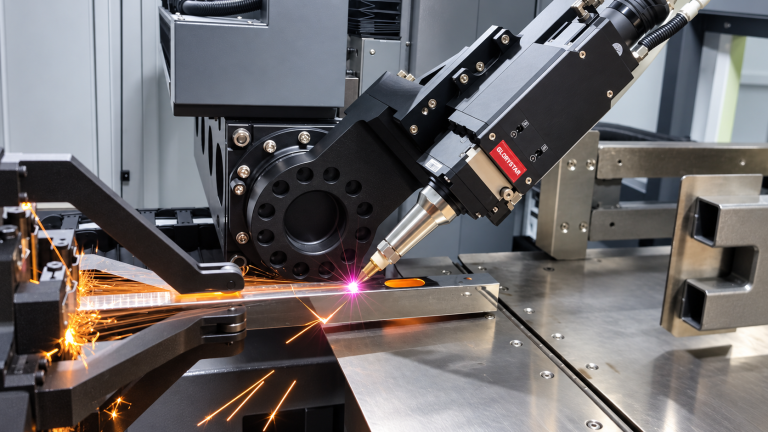
A modern liquid cooling welding machine is designed to meet these strict requirements by providing stable welding processes for applications such as AI servers, EV battery cooling systems, energy storage equipment, and industrial cooling solutions.
What Is the Average Cost of a Liquid Cooling Welding Machine?
There is no fixed price for a liquid cooling welding machine because every production requirement is different. The investment level mainly depends on the machine configuration and automation requirements.
Generally, liquid cooling welding solutions can be divided into three categories:
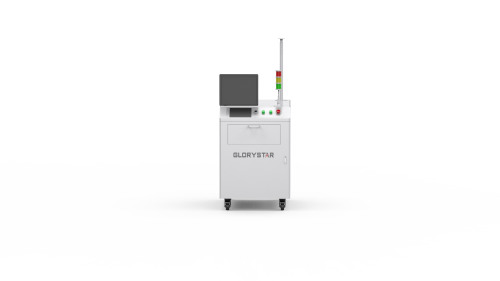
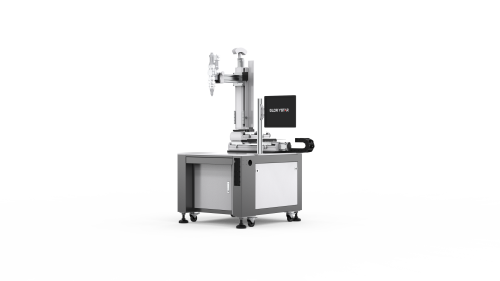
1. Standalone Welding Machine
A standalone system is suitable for companies producing small batches or developing new liquid cooling products.
It usually focuses on:
Flexible production
Manual loading and unloading
Lower initial investment
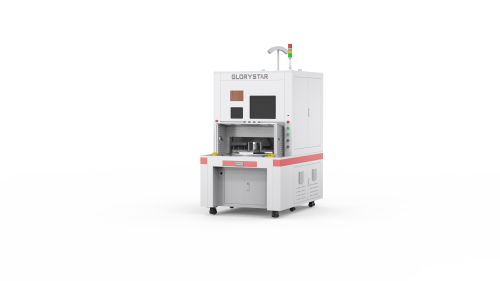
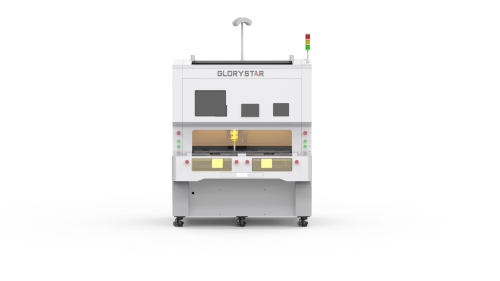
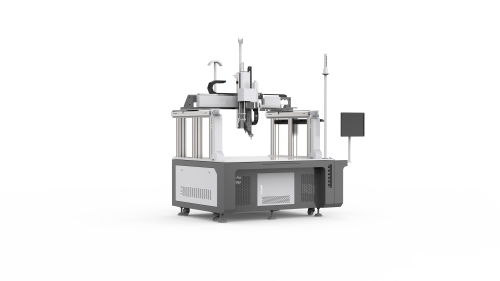
2. Semi-Automatic Welding System
Semi-automatic equipment is designed for manufacturers that need higher production efficiency while maintaining operational flexibility.
It may include:
Automatic positioning
Customized fixtures
Improved production consistency
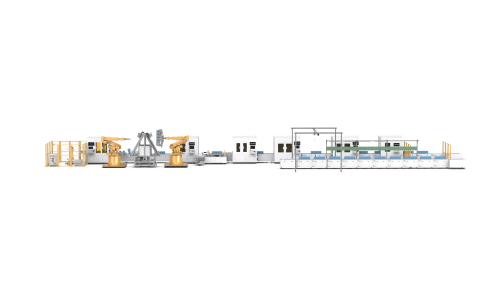
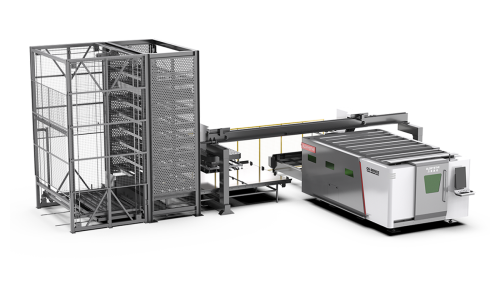
3. Fully Automatic Production Line
For large-scale manufacturing, fully automated solutions provide higher efficiency and repeatability.
Features may include:
Automatic loading and unloading
Vision positioning
Robotic integration
Online quality inspection
The higher the automation level, the greater the initial investment. However, automation can significantly reduce labor costs and improve long-term production efficiency.
What Factors Affect the Cost of a Liquid Cooling Welding Machine?
1. Laser Source Configuration
The laser source is one of the most important factors affecting equipment cost.
Different laser sources vary in:
Power output
Beam quality
Stability
Service life
Higher-performance laser sources usually provide better welding results and longer operating reliability.
2. Welding Accuracy Requirements
Liquid cooling components often require extremely precise welding because they must maintain reliable sealing under continuous operation.
Factors such as:
Welding depth
Weld consistency
Heat affected zone control
Deformation prevention
can influence machine configuration and cost.
A liquid cooling welding machine designed for high-precision applications usually requires more advanced control systems and positioning technologies.
3. Automation Level
Automation is another major factor influencing the overall investment.
Basic equipment may require manual operation, while advanced systems can integrate:
Automatic feeding
Vision inspection
Robot handling
Production data management
For manufacturers with high production volumes, automation can improve efficiency and reduce production risks.
4. Fixture Design and Product Requirements
Different liquid cooling components require different tooling solutions.
For example:
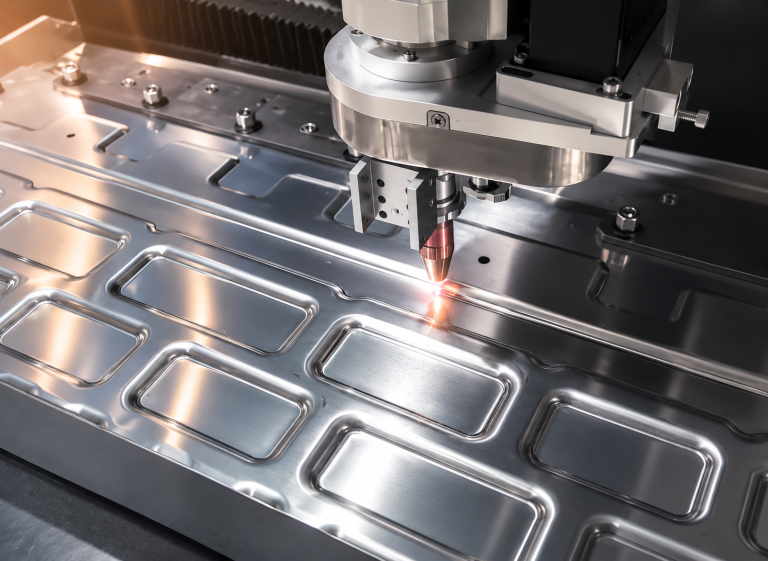
Liquid cooling plates
Manifolds
Battery cooling components
may have different shapes, sizes, and welding positions.
Customized fixtures help ensure accurate positioning, reduce deformation, and improve welding consistency, but they also affect the overall equipment cost.
5. Testing and Quality Control Requirements
Leak prevention is one of the most important requirements in liquid cooling manufacturing.
Depending on application requirements, manufacturers may need:
Air leak testing
Helium leak detection
Pressure testing
Online inspection systems
Higher quality control requirements usually require more advanced equipment configurations.
Hidden Costs Buyers Should Consider
When purchasing a welding system, many companies focus only on the initial equipment price. However, the total cost of ownership is also important.
Hidden costs may include:
Equipment maintenance
Operator training
Production downtime
Rework caused by welding defects
Energy consumption
Replacement parts
A lower-priced machine may not always provide the lowest long-term production cost. Stable performance and high welding quality can help manufacturers reduce operational expenses over time.
How to Choose the Right Liquid Cooling Welding Machine?
Before investing in equipment, manufacturers should consider several key questions:
1. What materials will be welded?
Different materials, such as aluminum, stainless steel, and copper, may require different welding parameters.
2. What is the expected production capacity?
Small-batch production and mass production require different levels of automation.
3. What sealing performance is required?
Applications in AI data centers, EV batteries, and energy storage systems may have different reliability standards.
4. Is automation necessary?
Companies should evaluate whether automatic loading, inspection, and production management are needed.
5. What is the expected ROI?
The best equipment choice should balance initial investment, production efficiency, product quality, and long-term operating costs.
Future Trends of Liquid Cooling Manufacturing
The rapid development of AI infrastructure is expected to further increase demand for liquid cooling solutions. As data centers move toward higher computing density, manufacturers will require more advanced welding technologies to produce reliable thermal management components.
Future liquid cooling welding machine solutions will focus on:
Higher welding precision
Greater automation
Intelligent inspection
Improved production efficiency
For manufacturers entering the liquid cooling market, choosing the right welding technology will become increasingly important.
Conclusion
The cost of a liquid cooling welding machine depends on many factors, including laser configuration, automation level, welding precision, fixture requirements, and quality control systems.
Instead of choosing equipment based only on the initial price, manufacturers should evaluate long-term production efficiency, reliability, and return on investment.
With the continuous growth of AI data centers, electric vehicles, and energy storage applications, investing in a reliable liquid cooling welding solution can help companies achieve higher productivity and stronger market competitiveness.