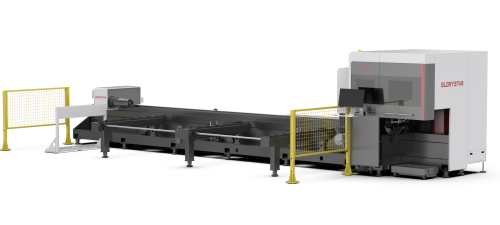
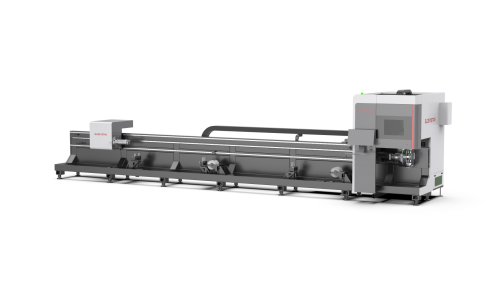
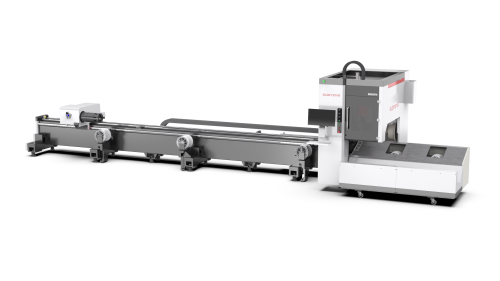
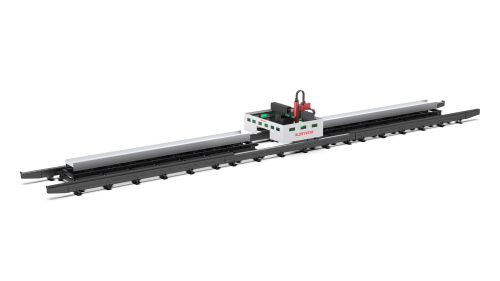
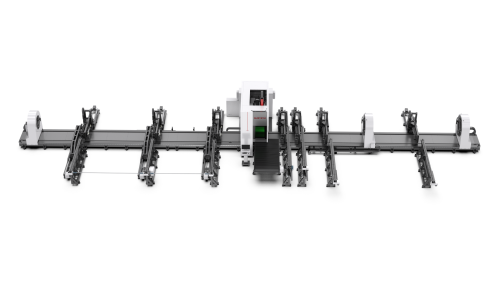
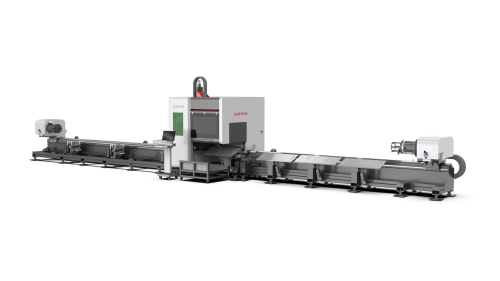
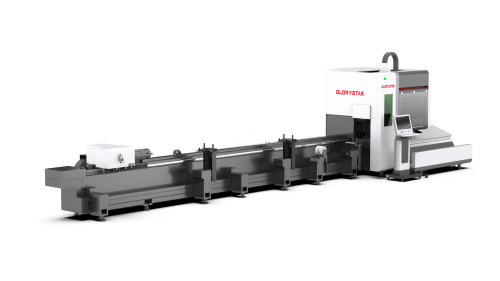
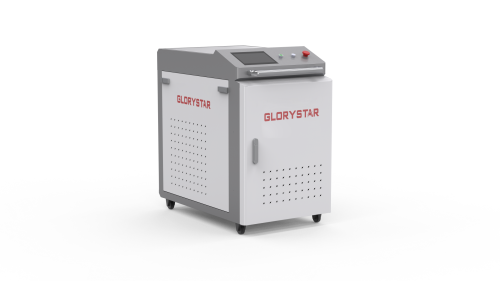
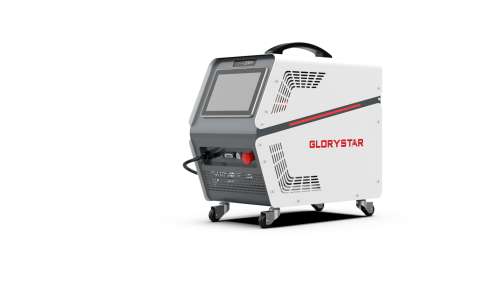
As liquid cooling technologies continue to expand across data centers, energy storage systems, electric vehicle thermal management, and server cooling applications, the industry is placing increasingly higher demands on component sealing reliability. As a critical component within a liquid cooling system, the manifold is responsible for coolant distribution, collection, and circulation management, making the manifold laser welding machine an increasingly important solution for manufacturers seeking reliable and leak-free production. Although the manifold itself may not be large, its welding quality directly impacts the reliability and operational stability of the entire cooling system.
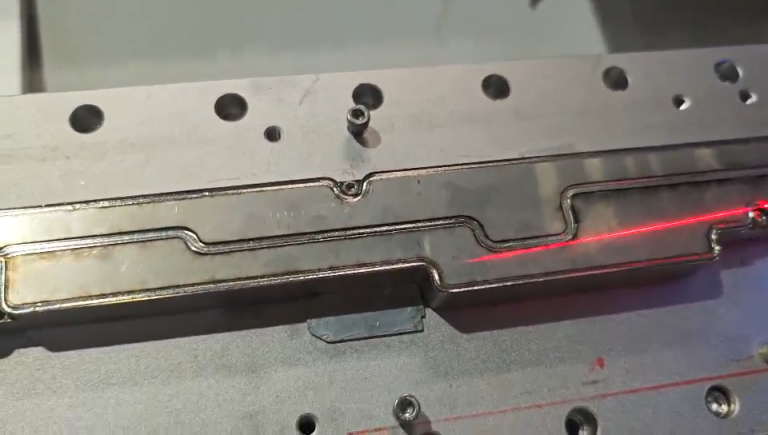
A typical manifold assembly includes multiple fittings, end plates, tubes, ports, and housing connection points. Any welding defect, such as missing welds, incomplete fusion, localized burn-through, or insufficient weld penetration, can compromise leak-tightness and pressure resistance. Once coolant leakage occurs in actual operation, it can significantly increase maintenance costs and potentially affect the performance of servers, battery systems, or other critical equipment.
Therefore, manifold welding should not focus solely on whether the parts can be joined successfully. Manufacturers must also ensure weld consistency, stable sealing performance, sufficient joint strength, and suitability for continuous mass production.
Why Are Manifolds Prone to Coolant Leakage Risks?
The complex structure of manifolds is one of the main reasons why welding can be challenging.
First, manifolds typically feature multiple inlet and outlet ports. Each connection point requires a reliable weld. As the number of ports increases, so does the number of weld seams, resulting in higher requirements for process consistency.
Second, different welding locations often have varying structural characteristics. Fittings, end plates, tubes, and housings may differ in wall thickness, joint geometry, and assembly tolerances. These variations require customized welding parameters. Applying a single parameter set to every weld location may result in insufficient penetration in some areas and excessive heat input in others.
In addition, manifolds require excellent leak-tightness and pressure resistance. While weld appearance is important, the primary goal is to ensure continuous fusion throughout the joint and minimize the risk of missing welds, incomplete fusion, and micro-leakage.
Common welding challenges in manifold production include:
Missing welds or incomplete fusion at connection points
Inconsistent weld bead width and appearance
Excessive heat input causing distortion of fittings or housings
Insufficient weld penetration affecting joint strength
Additional grinding and rework after welding
Quality fluctuations during high-volume production
Unstable leak testing results
How Does Laser Welding Improve Manifold Welding Quality?
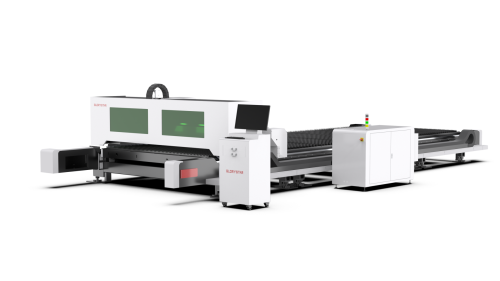
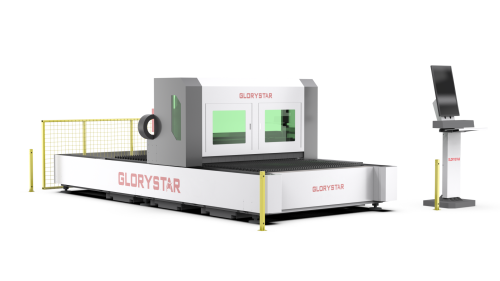
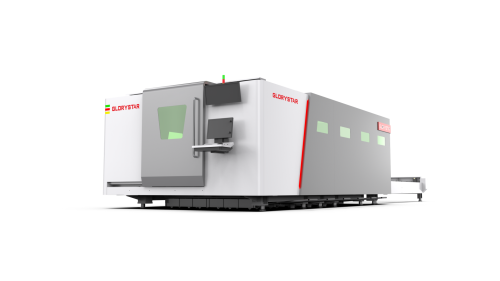
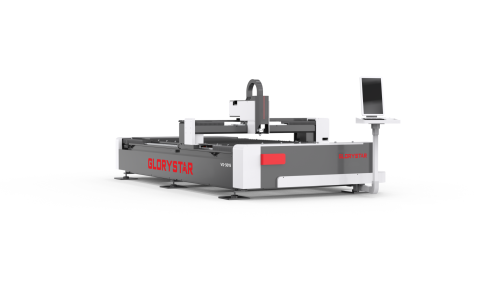
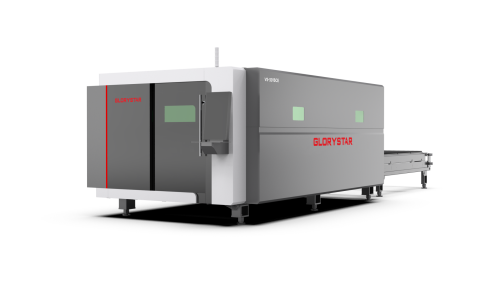
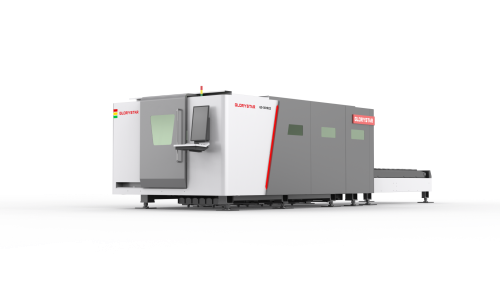
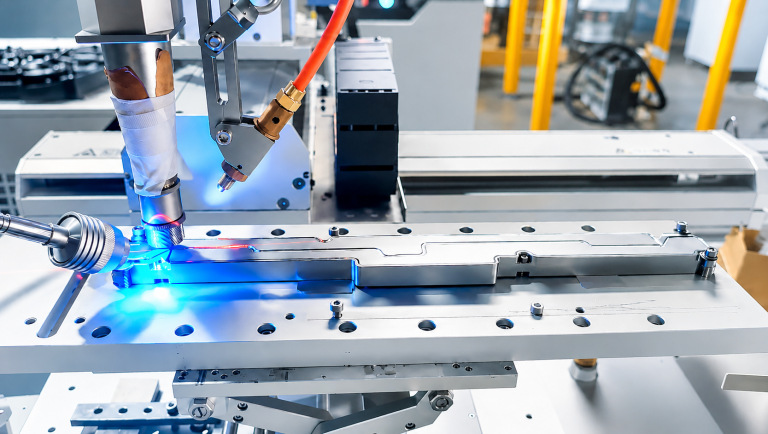
To address the challenges of multiple ports, complex geometries, and stringent sealing requirements, the Glorystar Manifold Laser Welding Machine utilizes precision laser welding technology and can be configured according to specific workpiece designs.
Laser welding delivers highly concentrated energy with a relatively small Heat-Affected Zone (HAZ). Compared with conventional welding methods that generate higher thermal loads, laser welding minimizes heat transfer to surrounding materials, helping reduce distortion of ports and housing components.
By optimizing laser power, welding speed, welding path, and focal position, manufacturers can achieve improved weld continuity and more consistent penetration. For manifolds featuring multiple ports, complex angles, and intricate welding paths, laser welding enables precise process control and helps reduce the risk of missing welds and burn-through.
In addition, laser welds typically exhibit a cleaner and more uniform appearance. This reduces post-weld grinding and finishing requirements, improves product aesthetics, and lowers overall production costs.
What Benefits Does a Manifold Laser Welding Machine Bring to Manufacturers?
For liquid cooling manufacturers, investing in a Manifold Laser Welding Machine is more than simply adopting a new welding method. It is an opportunity to optimize the entire production process.
A stable and precise laser welding process can help manufacturers:
Improve weld continuity and reduce leakage risks
Achieve more consistent weld penetration and stronger joints
Minimize thermal distortion and reduce correction work
Improve weld appearance and reduce secondary finishing
Increase leak testing pass rates
Reduce rework and manufacturing costs
Enhance consistency in high-volume production
Improve production efficiency and delivery performance
Lower after-sales costs associated with coolant leakage
For companies experiencing growing order volumes, production consistency becomes especially critical. Producing a qualified prototype is relatively straightforward. The real challenge is maintaining the same quality standards throughout continuous mass production.
Why Is Sample Testing Important Before Equipment Selection?
Manifolds vary significantly in material type, wall thickness, port quantity, structural design, and sealing requirements. Therefore, conducting welding trials using actual workpieces before finalizing equipment selection is highly recommended.
Key evaluation criteria during sample testing include:
Whether the weld appearance is uniform and consistent
Whether there are missing welds, incomplete fusion, or burn-through defects
Whether weld penetration meets design requirements
Whether joint strength meets application standards
Whether leak-tightness and pressure resistance remain stable
Whether excessive post-weld grinding is required
Whether the process is suitable for mass production
Glorystar provides manifold laser welding solutions, sample testing services, and process development support for applications in data center liquid cooling, energy storage cooling systems, electric vehicle thermal management, and server cooling systems.
In the liquid cooling industry, welding quality affects far more than product appearance. It directly impacts the safety, reliability, and long-term performance of the entire cooling system. Choosing the right manifold laser welding solution helps manufacturers reduce coolant leakage risks at the source and establish a reliable foundation for stable, high-volume production.